

Written By: Jerome Fitts
The relevancy of a discussion post that should be applied to life in 2025 leading into the second quarter of the current century. My views are from an eagle-eye point of view;
I wonder if this subject is being taught in schools in America, as we on the outside do not feel the necessity. Why? It is discussed at the dinner table, sitting together with manners, before we allow our children to interact with others. Those children represent our culture.

It is essential to cooperate with different cultures in their purest form to observe and study. The various methods we discuss in this post could be argued as flawed in some aspects based on the opinions. Those opinions are accumulated from studies of a choice of what the researcher exercising the “quasi-experiments” conducted.
This leads us to rational contrast discussions (if they still exist), to co-exist in a multicultural society worldwide.
The answers to the requirements are listed below;
I. Three main types of research methods used by cross-cultural psychologists:
1. Method validation;
According to an article written in Simply Psychology “Cross-Cultural Research Methodology In Psychology” (Simply Psychology, 2024), there are two testing theories and measurements to validate methods of cross-cultural research;
There is the explanatory standard in which individuals rely on data that has been accumulated that is close to the source. Then there is the hypothesis testing conducted from pre-established frameworks (Matsumoto & van de Vijver, 2021). A better term would be recited references from previous studies as their guidelines.
2. Indigenous cultural studies
The indigenous cultural studies are written from the victorious ones. As there are unfortunately accepted titled indigenous humans, the stories written and told have been from the victorious ones. The methods used are based on the stories told and the remaining artefacts are used as tourist attractions to distract from what their inhabitants may or may not have been like.
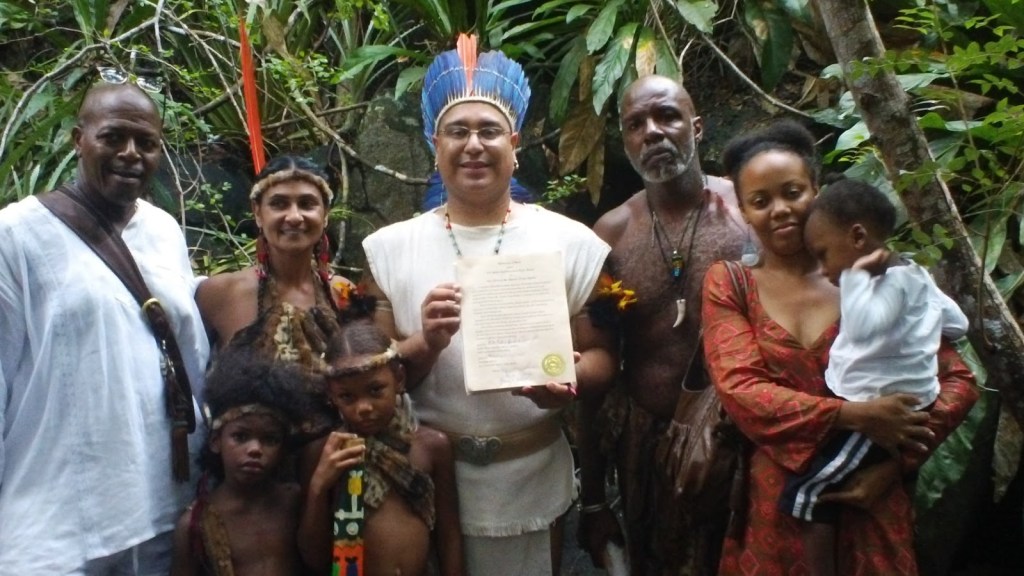
It is with a certainty that these outcomes more so than not, about the remaining indigenous humans in America, are based on now. This leads to the loudspeaker then cricket spout of trends and arguably cover-ups.
In my virtual opinion, why are we not asking why certain individuals are what they are today?
And better still, why is there still an oppressive mindset?
Finally, how can we change the non-functional co-existing attributes?
In our required reading the researchers in this sector have found a way to distract certain facts. Those facts will continue to ignite questions of doubt, as well as, roadblocks to future progress. Hiding the truth is a gem. It read;
Indigenous researchers have been active in seeking ways to disrupt the “history of exploitation, suspicion, misunderstanding, and prejudice” of Indigenous peoples to develop methodologies and approaches to research that privilege Indigenous knowledge, voices, experiences, reflections, and analyses of their social, material, and spiritual conditions (Library Guides: Indigenous Studies: Indigenous Research Methods, n.d.)
3. Cross-cultural comparisons.
The world relies on qualified individuals to publish results from a study. The unfortunate part is we have little to no choice but to take a status quo individual’s word. And if we dare to look out the spectrum then we are white sheep in a black herd that follows the rest.
What I mean is, that the cross-cultural comparisons are based on the experience of what was told and a shallow thought generalises everyone from that culture. It is not fair in comparison to the other two previous steps written.
The original traditions of different cultures are different, which is why they are cultures. To compare cultures could be seen as an attempt to divide and conquer. However, if the information is given as a form of knowledge to co-exist then the mentally healthy disbursement of information could be used as a tool to co-exist.
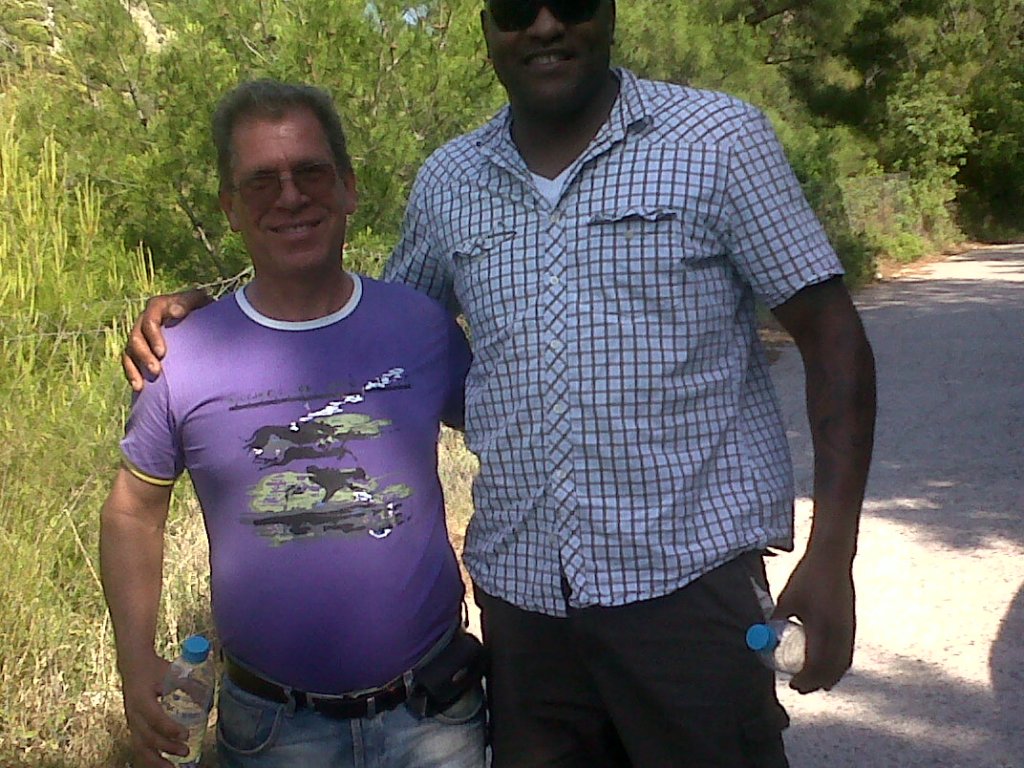
In Simply Psychology, it has been published that, there are also risks involved. The flawed methodology can produce incorrect cultural knowledge. Thus, cross-cultural scientists must address methodological issues beyond those faced in single-culture studies (Simply Psychology, 2024).
As time tells the truth so does the truth eventually resurfacing. Putting one foot in front of the other and asking questions out of interest without disrespecting a culture seems to have thus been successful.
I close with a thousand virtual thanks for reading the short post.
JFitts
References:
Simply Psychology. (2024, January 11). Cross-Cultural Research Methodology in Psychology. https://www.simplypsychology.org/cross-cultural-research.html#Methodology
D. Matsumoto & F. J. R. van de Vijver (Eds.), Cross-cultural research methods in psychology (pp. 75–100). Cambridge University Press.
Library Guides: Indigenous Studies: Indigenous Research Methods. (n.d.). https://guides.lib.uw.edu/research/indigenous-studies/methods



 Worth Journey
Leave a comment