

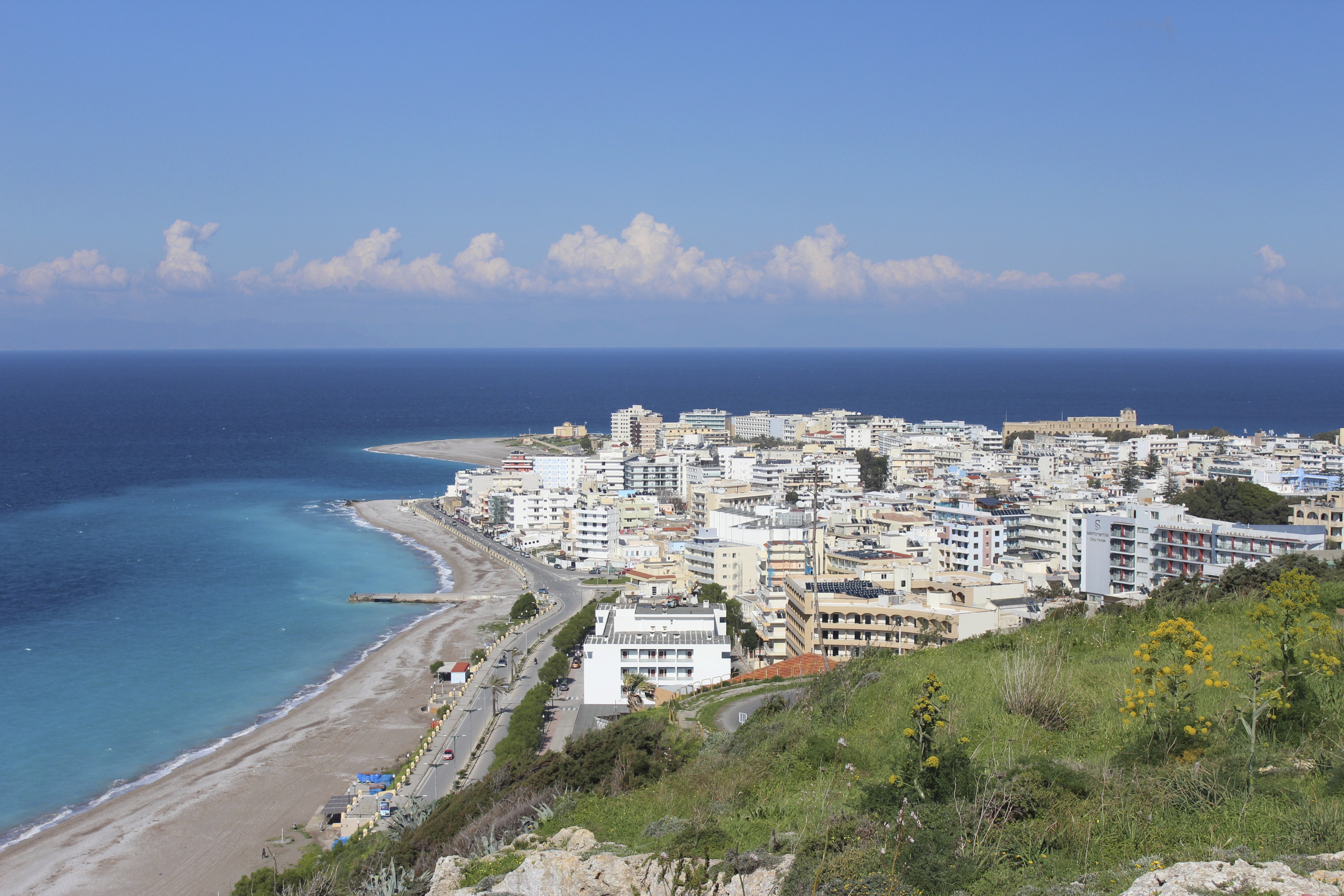

Flying within Europe to holiday destinations in the winter takes just as much time as flying from Berlin to Sydney. The flights are limited, and they often include layovers. My trip took exactly 27 hours, which is only about 10 hours shorter than driving from Dublin to Rodos—excluding the ferries, of course.
Anyone who knows me, and some of you do by now, understands that I’m a risk-taker and that pursuing real opportunities excites me. So I thought, “Okay, Beau, this year you’re really going to ruffle some feathers and explore the Mediterranean during the winter.” I decided to take the plunge and explore the incredible opportunities presented to me by those enthusiastic individuals.
First step toward embracing impatience:

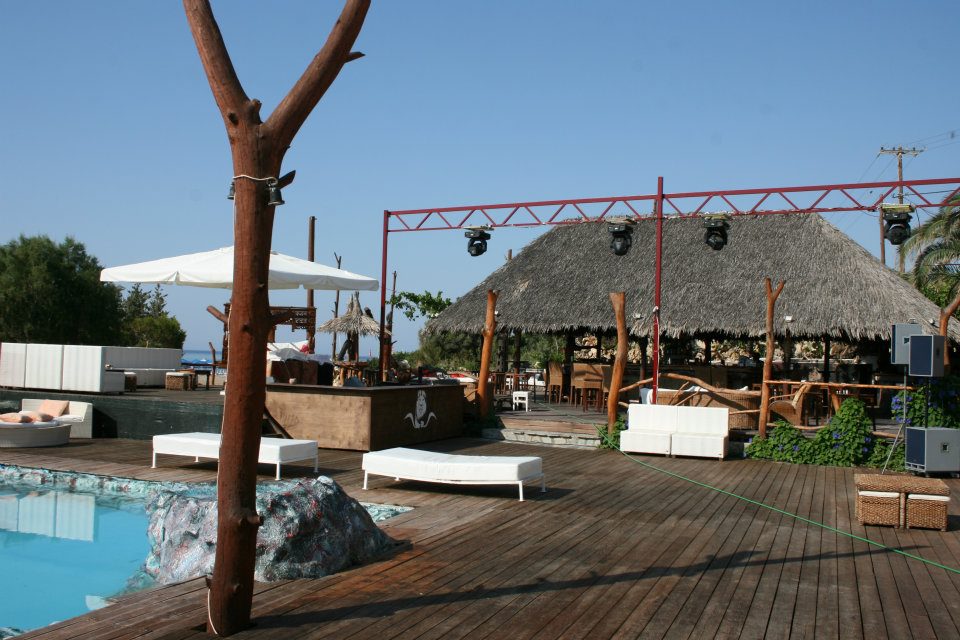
What I did not know was that the establishments “P” that were showcased were still operational. The owners had simply left them as they were when the season ended to refurbish everything as the next season approached. This was something none of us understood about tourist destinations—at least I didn’t.
Given “P’s” age of 29, I initially believed that the Greek crisis was merely a consequence of old traditions struggling to adapt to the modern world. However, I realised that “b****t is b****t” in any language or territory, and my instincts were heightened. As opportunities arose and my patience grew, I began to think, “Maybe I am just being paranoid.”
Like many others, I love the Greek islands for their freshness, beauty, and a sense of purity—at least for anyone visiting for a short time. This time, however, I intended to delve deeper into the local perspectives on the crisis and to learn what the people expected from tourists. I believed that living among the Greek people, whom I have always admired, would help me gain greater insight.
I reside in Dublin and am familiar with the complaints surrounding the EU regarding which countries had to suffer due to the weaknesses of others. Yet, I also knew of countries that didn’t complain, as they had a remarkable ability to rebound from adversity.
It puzzled me that, despite Greece being such a stunning place, people in the EU seemed to have very little confidence in Greece’s ability to recover from the crisis.
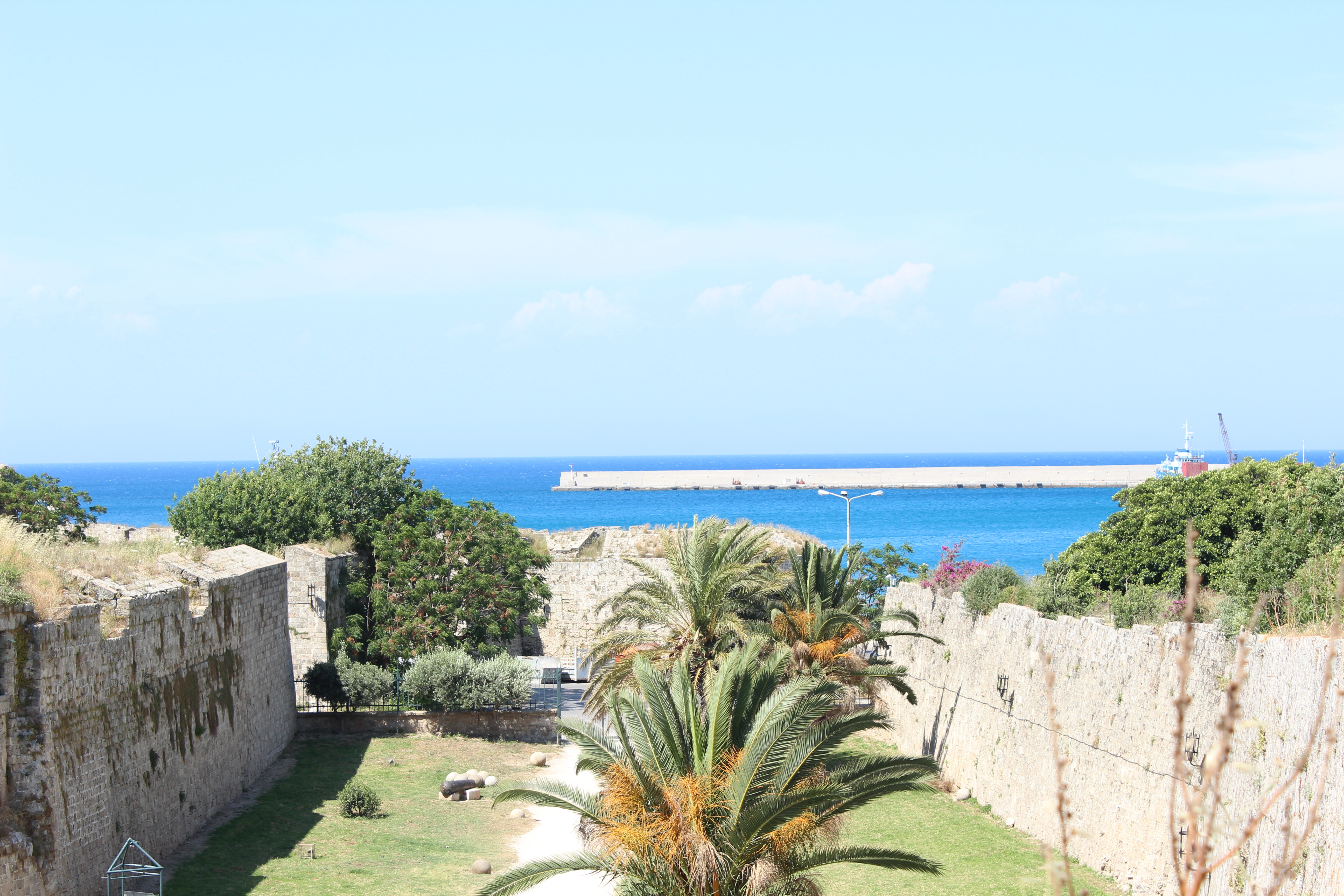
When I was finally able to put things into perspective in mid-March, I realized a few important things. From my experience, it was like this:
“Show the beauty of the island with a natural false sense of hope, captivate visitors with a temporary story when you don’t know the language, the customs, and the traditions—then, suddenly, the outsiders are reaching for their wallets. By then, it’s too late, and you find yourself trying to sleep after downing half a bottle of Ouzo! Did it go that far? Not exactly, but at that point, my patience was really testing my ego.
So, after nearly a month of not seeing him, I asked “P,” “Bro, where are you?” I knew the only one to blame was myself, but realistically, there were still opportunities to make up for the time I had wasted and to show something to my better half while I had been away for so long.
I never heard from “P” again while I was on the island—complete and utter nonsense. Whatever. As an optimist, I told myself this was just an isolated incident, and since I loved the island, I was determined to see what else was out there.

The apartment where I stay offers a stunning view of the island, and every morning I gaze across at Marmaris, Turkey. It’s difficult to leave this wonderful place in Rhodes, especially since I have a freezer full of food, access to a top-notch gym, and decent wireless service. February and March in Dublin are far from pleasant; it’s cold and rainy, but it’s still home.
Everything that goes up must come down eventually, and this also applies to countries. Greece has its challenges, and I initially thought these issues were isolated incidents.
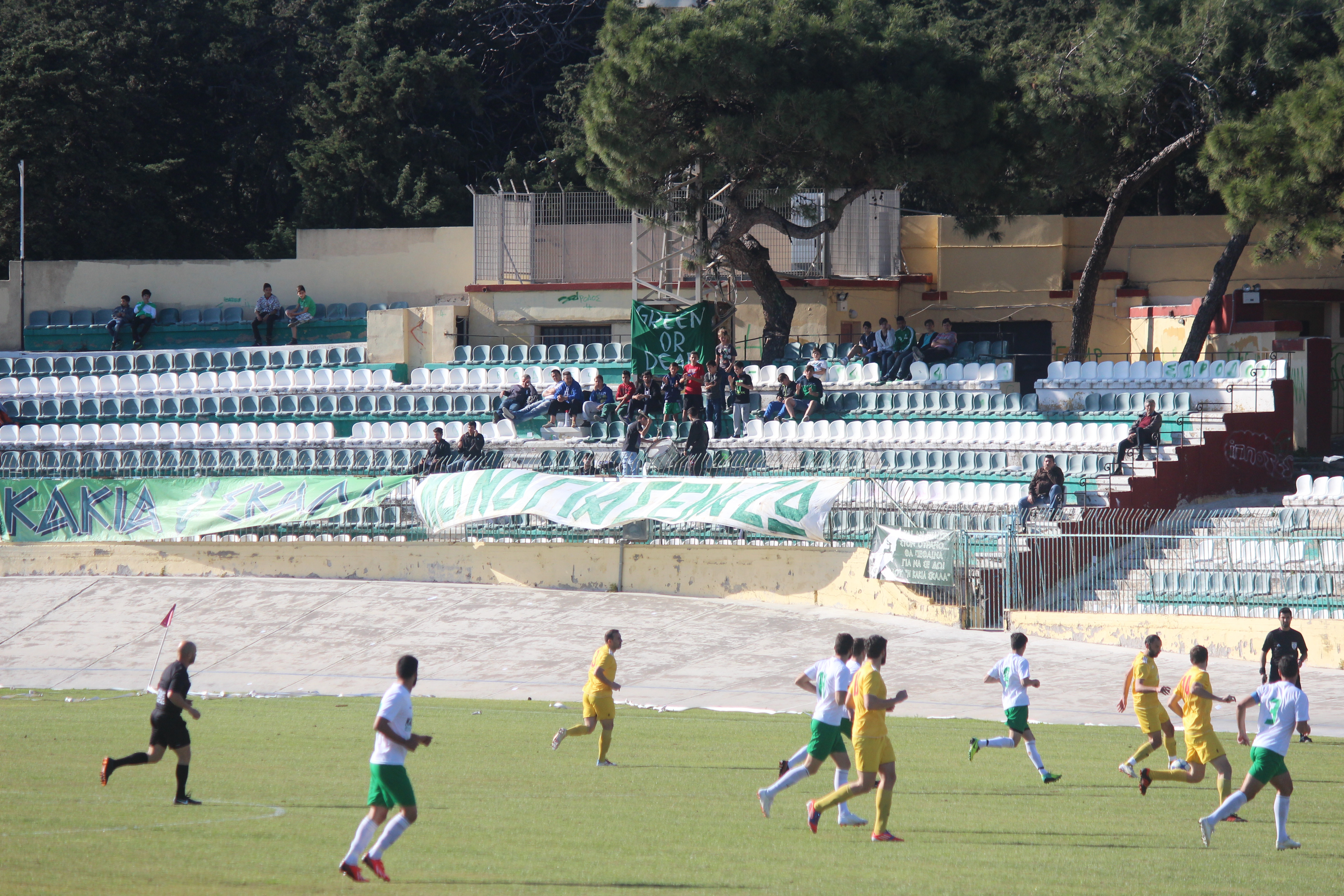
I was surprised to discover there was a stadium on the island when I received an invitation to a football match. I knew about the local basketball team, but I wasn’t aware of the level of football being played here. Naturally, I turned to Google to locate the stadium and gather more information about the team.
This experience seemed perfect for an article in The Worthwhile Journal and would also provide some entertainment. So, when the owner of the complex where I was staying invited me to the game and mentioned that he had recently been appointed as the president of Rodos FC, I eagerly accepted the opportunity.

His words were, “My friend, come and see the club play, and I’m sure you could help bring us money to the club. We are going to take the Greek league by storm.”
I felt a mix of disbelief and impatience as I looked at the Google search engine. What? No website? There was no official website for Rodos FC! The island has a football stadium that seats 3,000 people, and there are only two professional teams on the island. Is this real? At this point, my patience felt like it was stuck in the Twilight Zone.
I need to pause here to explain. Rodos is a special place for me, and I am not trying to make fun of or belittle the island. However, it was 2014, and for a professional football team in a country participating in the World Cup, having some sort of online presence is essential.

The irony of the situation is that I communicated with the president of this club via Facebook, and he had more friends on his profile than the Futbol Club had likes, both of which were under 500. Regardless, there should still be a website for the club, right?
So let’s reconsider this matter. What Greek crisis is there if the locals are not panicking in response or, worse, are not open to accepting help? What crisis, exactly?
I often say, “If you know better, then you do better.” If someone informs you that the world is moving in a different direction than you are, you must either catch up or adapt your approach because something is obviously amiss. Common sense suggests that if tourists are coming to the island with money to spend, then you should adjust your strategies to accommodate what is happening outside. Clearly, something needs to change.
The Scenario
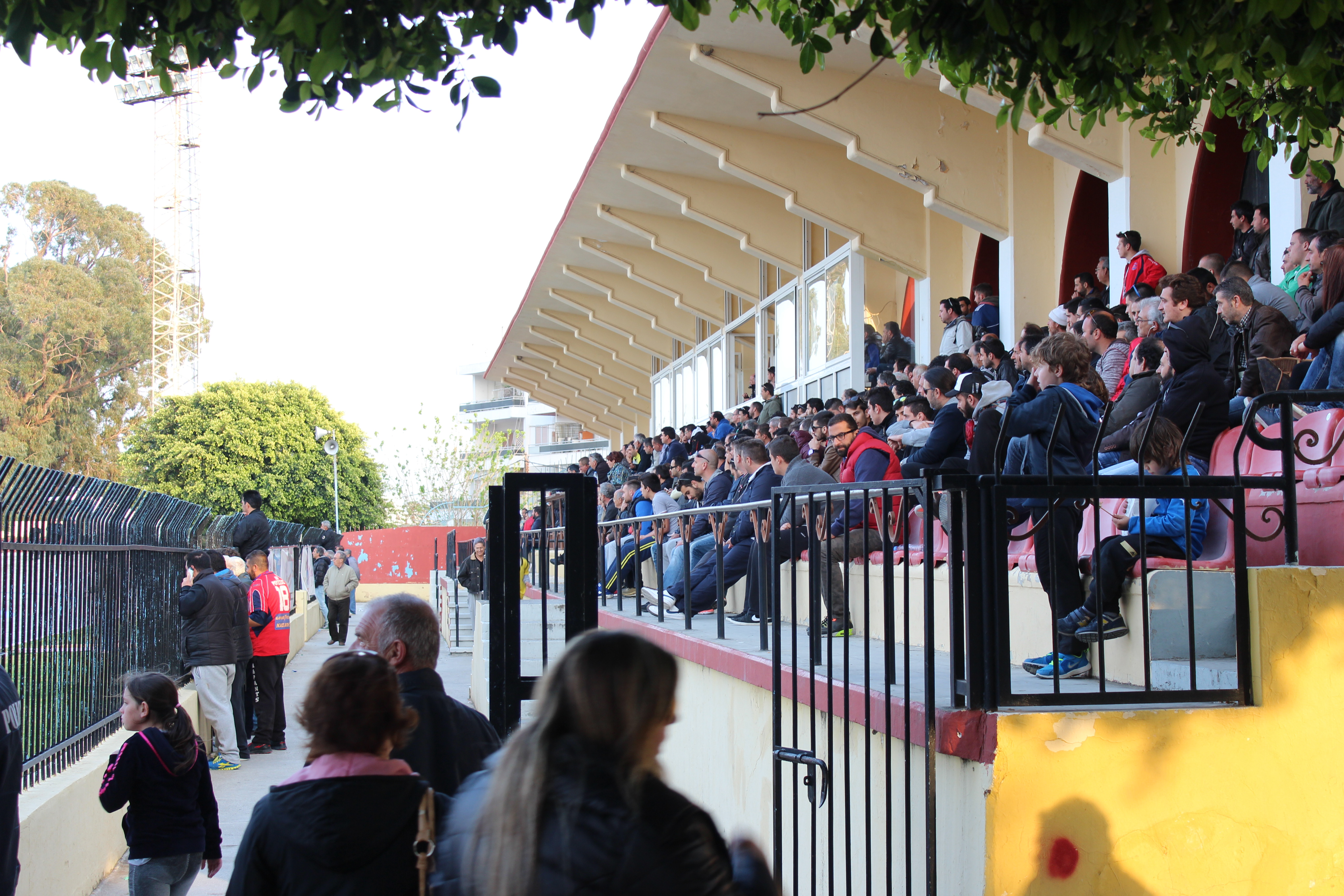
Rodos FC had been promoted to the second division within their league. But they have zero web presence, very little social media and do not know about the new brave world that exists outside of this remarkable island. They have a major threat of not selling tickets in a historic stadium that is owned by the island, which also owns the team. In other words, FIFA, the governing body of futbol, would not be impressed.
Based on what you have read thus far (no web presence and/or social media structure), it seems as one would most likely agree, that this is a gold mine covered with hundreds of years of traditional volcanic ash. So I put together a structure submitted as a keynote presentation and pdf, as a student-marketing consultant, to help them bring in the main currency in sports- money!
I was thinking the whole time, how could I even think of business in such a beautiful place surrounded by remarkable people- I do love Rodos. But…
The problem identified was branding via social media, as well as a blend with respected traditional media, to avoid anyone thinking there was a threat of occupation or invaders. Basically, I set up their complete social presence, Facebook, Pinterest, Twitter, Tumblr, and scheduled via Hootsuite. The website was created but stated “Under Construction” and was due to launch months before training camp.
Hootsuite was created to suit their convenience to post updates about the club’s developments, youth progress within the club and most of all, selling tickets within their historic stadium.
Because the island is a major tourist destination, with a little over 2 million visitors each summer season, there was also a plan to implement social media traffic for the tourists who would arrive. We all know that the first thing anyone does when they come to paradise is “check in” via social media sites. They want to show the world that they are there as well as share with those who are curious. The bottom line is instant promotion while utilising instant gratification methods at its finest.

The key point is that I brokered a deal with the island’s major Internet and phone network (Vodafone) to ensure tourists receive information about the local club. This information highlights the team, promotes merchandise, and showcases the upcoming season schedule. With Greece having qualified for the World Cup, I anticipated that the island would be buzzing with excitement for football. So, I thought, why not sell the local team’s jersey as a souvenir or a token of support?
Rodos Island has only 50,000 inhabitants, yet it is expected to welcome 2 million tourists during the season. It doesn’t take much calculation to recognise the potential revenue stream here, right? At the end of the day, as so-called marketing experts, this seems like a sensible deal. Merchandise is the primary financial contributor for any sports organisation globally. All of this can be facilitated through wireless networks, making it a classic example of a mutually beneficial situation.
In summary, the team could generate revenue from jersey sales to tourists, which could then be reinvested into the club. More money means better players and creates employment opportunities, such as establishing a social media department. It’s important to note that the economy is at a historic low within the EU and the world.
The marketing department will also need to address other challenges. One effective method could be utilising social media to generate revenue by promoting the island’s natural resources. Common sense leads to profit; money doesn’t always equate to common sense, right?
The Level of Patience
The problem began with my attempts to communicate with the president of the club. I called repeatedly, but no one was available to talk. This was after I had spent nearly 200 hours putting together a program, coordinating with my business partners in the States, ensuring a social media plan was in place with LA Editions in Paris, and securing top recommendations from lecturers at Full Sail. I couldn’t understand what the issue was, especially when I was presenting a solution during a crisis.
With high enthusiasm, I approached the president and proposed, “Let’s waive my fee for the website I constructed, the social media strategies and engagement that I had billed for 500 euros, the 2,000 photos I’ve taken, the video interviews, and the graphics for the merchandise jerseys that could bring in immediate revenue from tourist sales, in exchange for covering my rent of just 300 euros. Let’s forgo the cheeseburger and enjoy a steak instead!” However, I received no response. Weeks passed without any acknowledgment, and as the summer season began and tourists slowly started to arrive, my concerns grew.
It’s easy to remain patient in paradise, but ultimately, all good things must come to an end. I felt there should be some recognition for the four months of work I had put in. It was hard to believe that, despite Full Sail approving the Keynote presentation, there was no reaction.
To be frank, I was at a loss for what to think. All I could hear was the repeated requests for more, and I recalled how the EU was slow to respond to the Greek crisis. Ironically, the EU—backed by Germany—was extending patience by loaning additional money to the Greek government, waiting for a return on the billions of euros already lent.

There are always two sides to every story. If my patience had grown thin, I can only imagine what the people of the E.U. were thinking. After all, I was one of them, experiencing some serious frustration in the process. We are, after all, paying extra taxes to support the beautiful islands and the country of Greece. Yet, it seems that Greece is doing very little to educate those with limited financial means to help build their economy and move away from a system that seems to rely on taking without giving back.
How can we help those who cannot help themselves, or who may not want to? Is it possible that they believe the world owes them something because of their stunning islands? Are they lazy? No. Are they friendly and welcoming? Yes, without question. Are they honest? That is for visitors to Greece to judge for themselves.
Please remember that this is my personal experience, gathered over a mere six to eight summers. However, it raises the question: where is the common sense in not following through with business initiatives while sitting around drinking frappés, avoiding the economic crisis? Common sense makes things right; money alone does not create common sense.
Overall, I would advise anyone to experience Greece for themselves. My agenda was clear from the beginning, and I’m sure that everyone’s experience will differ from mine.

Departing from Rhodes at 5 AM on a ferry to explore every island in Greece, it was difficult to hide my irritation. After a while, fatigue had taken over.
Next stop: Macedonia, heading to Pristina, Kosovo.


 Worth Journey
Leave a comment