
Hello Everyone,
Jerome Bo Fitts here. Over the past two years, I have received request to write about topics that have often been prone to being kept quittance. I do hope you, the avid reader enjoy the new weekly series of thought provocative readings.
For this week, I selected the Tuskegee Syphilis Study. I have inserted some questions to make the blog more legible.
Briefly summarize the intended and unintended outcomes of the study or experiment you selected.
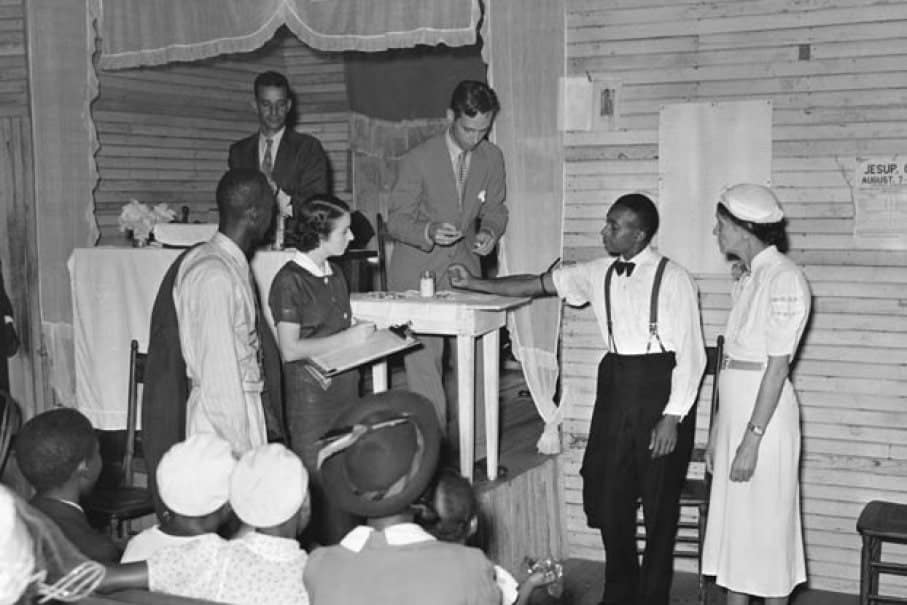
The Tuskegee Syphilis Study in 1932, was a 40-year experiment with the study of the venereal disease syphilis. The experiment was conducted in an African American sharecropper community in Tuskegee, Macon County, Alabama. This is infamously known as the Tuskegee Syphilis Study. (The Tuskegee Syphilis Study | Online Ethics, 2000)
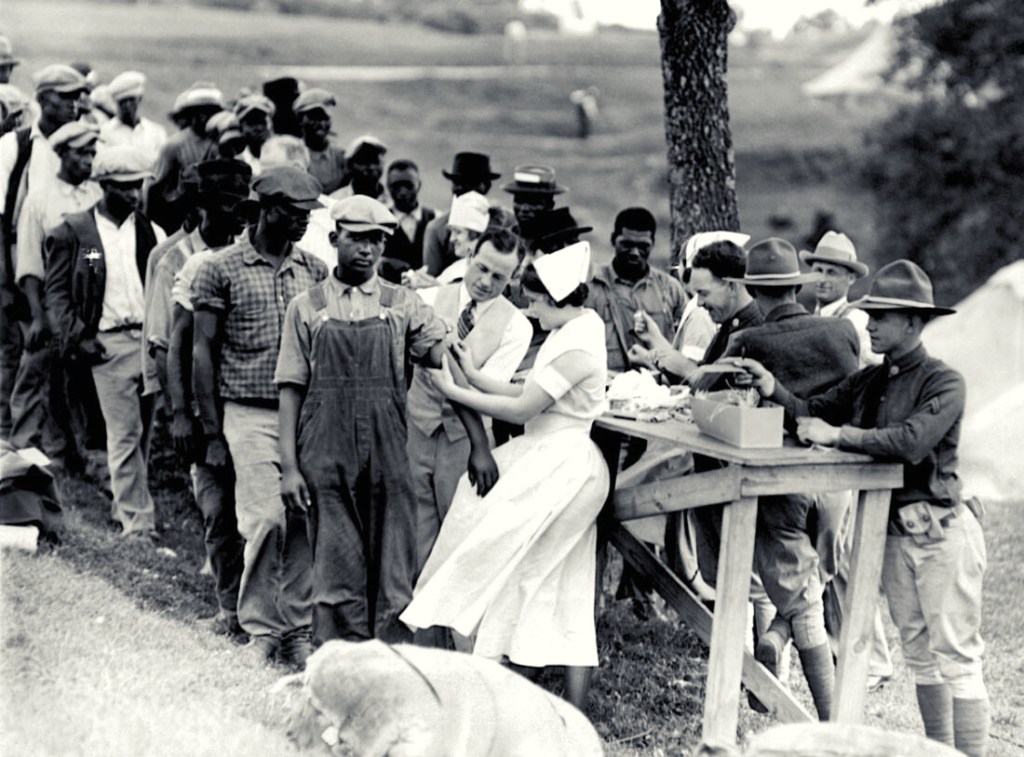
The U.S. Public Health Service (PHS) doctors were in charge of the experiment. Their intention was to study Syphilis. They hoped to control the outbreak. They desired a cure. The patients were experimented on for various reasons but the disease. PHS encouraged local physicians not to treat the sharecroppers who had Syphilis. They withheld the relevant information from the sharecroppers. (Public Health Service Study of Untreated Syphilis at Tuskegee and Macon County, AL – Timeline – CDC – OS, n.d.)
The six hundred African American sharecroppers signed up for the experiment based on free medical treatment. They had no prior medical records. They had been told that they were being treated for bad blood. Later, the individuals suffered from a severe illness that included going blind or becoming insane. (The Tuskegee Syphilis Study | Online Ethics, 2000)
This continued until the mid-1960s. Peter Buxtun, a PHS venereal disease investigator, discovered the study. He raised concerns to Board members of The PHS. However, Buxton’s superiors at PHS acknowledged the findings and allowed the experiments to continue in Macon County, Alabama to continue.
During the following decades, several sharecroppers died as there was no effort to support Buxtun. Buxtun passed along his finding after he retired from The PHS. He shared this information with his journalist colleague, Jean Heller of the Associated Press. (Nix & Nix, 2023) In July 1972, Heller’s published story caused a public outcry for the experimental program to stop. (Nix & Nix, 2023)
What aspects of the research or experiment were unethical?
As this experiment set the basis of a new list of prerequisites established by the American Psychological Association, post 1972 till 2024, the Public Health and Safety Board endorsed study examples of unethical proportions are as follows:
The Public Health and Safety Board was disingenuous from the beginning. They lied to the sharecroppers. They withheld information from them. They also encouraged the local doctors not to treat those who had Syphilis. The general public health was not considered because the disease could have spread throughout Macon County, Alabama. (Ethical Principles of Psychologists and Code of Conduct, n.d.)
According to the American Psychological Association, the “Respect for People’s Rights and Dignity” was most certainly omitted. The PHS acted immorally. They continued the experiment on humans. This was based on the sharecroppers who had never received medical treatment. It is debatable yet concluded that the doctors took advantage of the sharecroppers’ ignorance as if they did not matter. (Ethical Principles of Psychologists and Code of Conduct, n.d.)
The Public Health and Safety board of administrators acted irresponsibly and unethically by not stopping the experiment after Buxtun’s report. (Ethical Principles of Psychologists and Code of Conduct, n.d.)
Last but not least, the transparency based on the American Psychological Association listed “Beneficence and Nonmaleficence” standard. They continued to allow the experiment to continue even though they knew the patients were not being treated for Syphilis. It was the Public Health and Safety negligence. (Syphilis Study at Tuskegee, 2023)
References:
Photos: (1) https://historycollection.com/20-photos-tuskegee-syphilis-study/ (2) https://discover.hubpages.com/education/Tuskegee-Experiment-the-Infamous-Syphilis-Study-on-Poor-Black-Men (3) https://techstory.in/peter-buston-tuskegee-experiment/ (4)
The Tuskegee Syphilis Study | Online Ethics. (2000). https://onlineethics.org/cases/ethics-science-classroom/tuskegee-syphilis-study
Public Health Service Study of untreated syphilis at Tuskegee and Macon County, AL – Timeline – CDC – OS. (n.d.). https://www.cdc.gov/tuskegee/timeline.htm
Nix, E., & Nix, E. (2023, June 13). Tuskegee Experiment: The infamous Syphilis Study. HISTORY. https://www.history.com/news/the-infamous-40-year-tuskegee-study
Heller, J. (2022, July 25). AP exposes the Tuskegee Syphilis Study: The 50th Anniversary | AP News. AP News. https://apnews.com/article/tuskegee-study-ap-story-investigation-syphilis-53403657e77d76f52df6c2e2892788c9
Syphilis study at Tuskegee. (2023, July 10). Centers for Disease Control and Prevention. https://www.cdc.gov/museum/online/story-of-cdc/tuskegee/index.html#
Ethical principles of psychologists and code of conduct. (n.d.). https://www.apa.org. https://www.apa.org/ethics/code



 Worth Journey
Leave a comment