
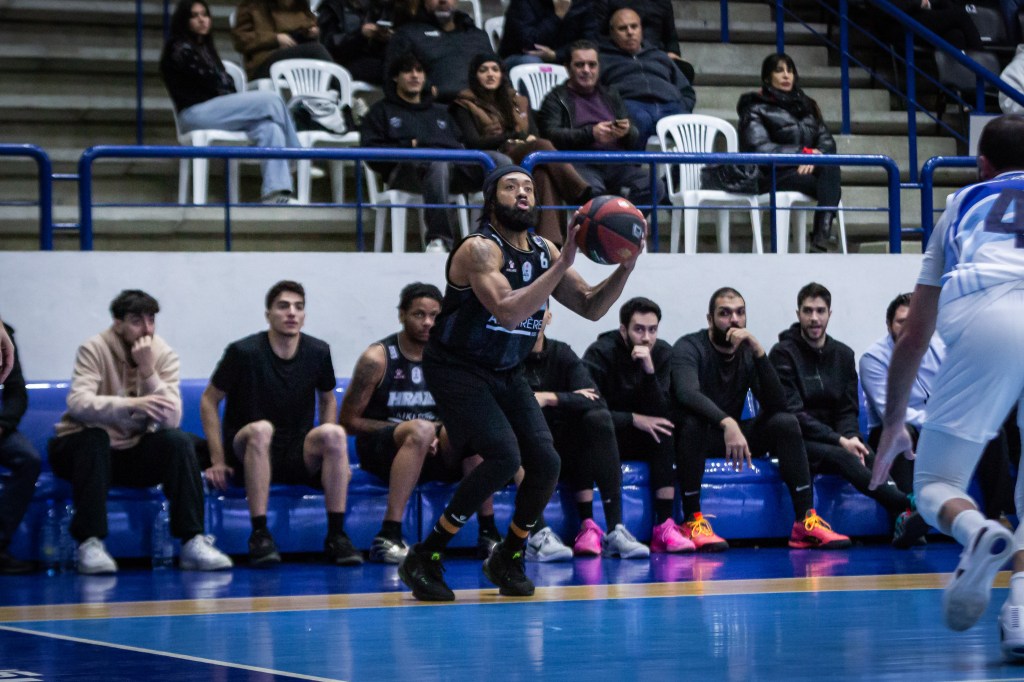
In a world where titles are more important than genuine qualifications or experience, the professional sports world suffers the most. However, the professional sports world also benefits because athletes are paid for doing something they love.
Eugene Campbell is a legitimate registered professional basketball player whose story exemplifies both the traditional and transcendent athlete. Over the past five years, he has played in seven different countries, allowing him to share his experiences based on first-hand knowledge rather than hearsay. Please read carefully.
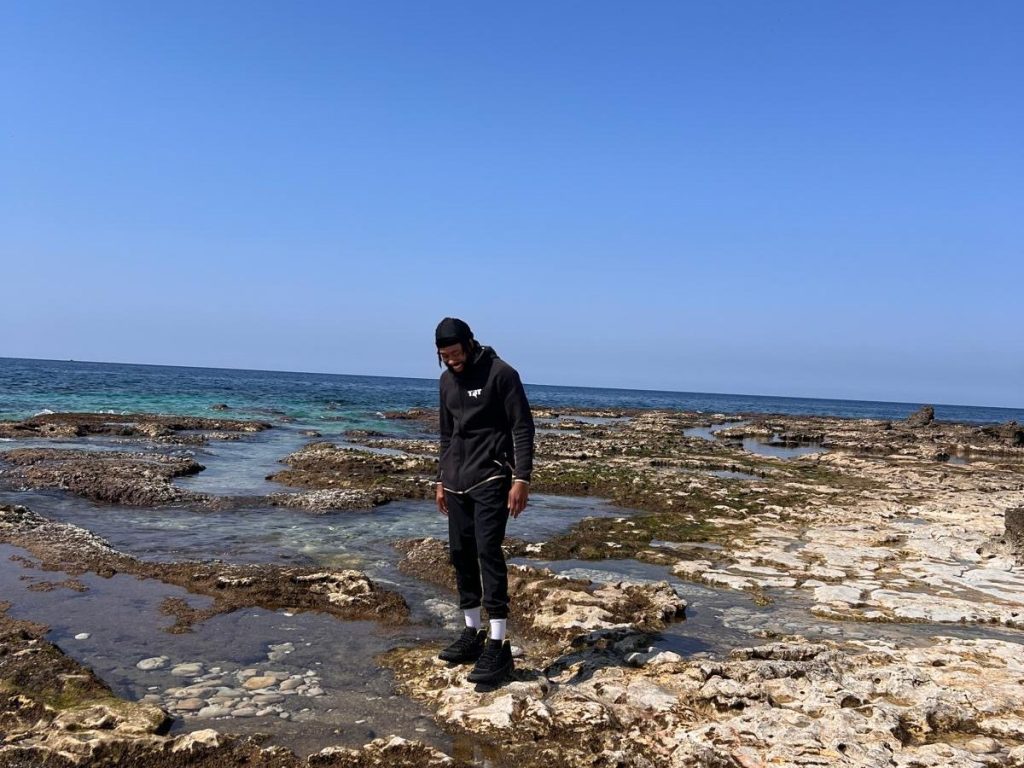
According to the Fédération Internationale de Basketball, over 610 million people aged 6 to 54 play basketball at least twice a month worldwide (2024 FIBA). Like many mid-level professional players, Eugene Campbell makes it a priority to play the sport on a daily basis. They dream of excelling from a young age, but often, their determination is undermined.
When it comes to acquiring the title of “professional player,” which means they are paid for their craft, some individuals take advantage of these players’ dreams.
The inspiring story of Mr Campbell serves as a blueprint for anyone determined to achieve professional success at any level. His journey began with a tryout at Middlesex Community College in New Jersey during the 2013-2014 season, and continued at the junior college for the 2015-2016 season. This experience sparked his interest in continuing to play at New Jersey City University, where he competed at the NCAA Division III level for two additional years.
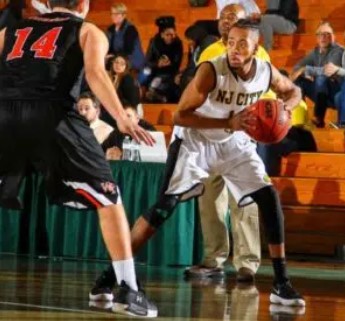
Photo Courtesy of New Jersey City University
Unlike many players who finish their education and accept that they may not get a professional opportunity, Campbell was hired as an assistant coach from 2018 to 2020. While coaching, he focused on refining his skills and studying the game, which allowed him to gain a deeper understanding of his craft. He exemplified the tenacity that many in his situation would admire—he refused to give up.
“I started reaching out to as many teams as I could in the foreign market, contacting teams overseas,” Campbell shares. “I emailed everyone, and by the blessings of my faith, one team responded and gave me a chance.”
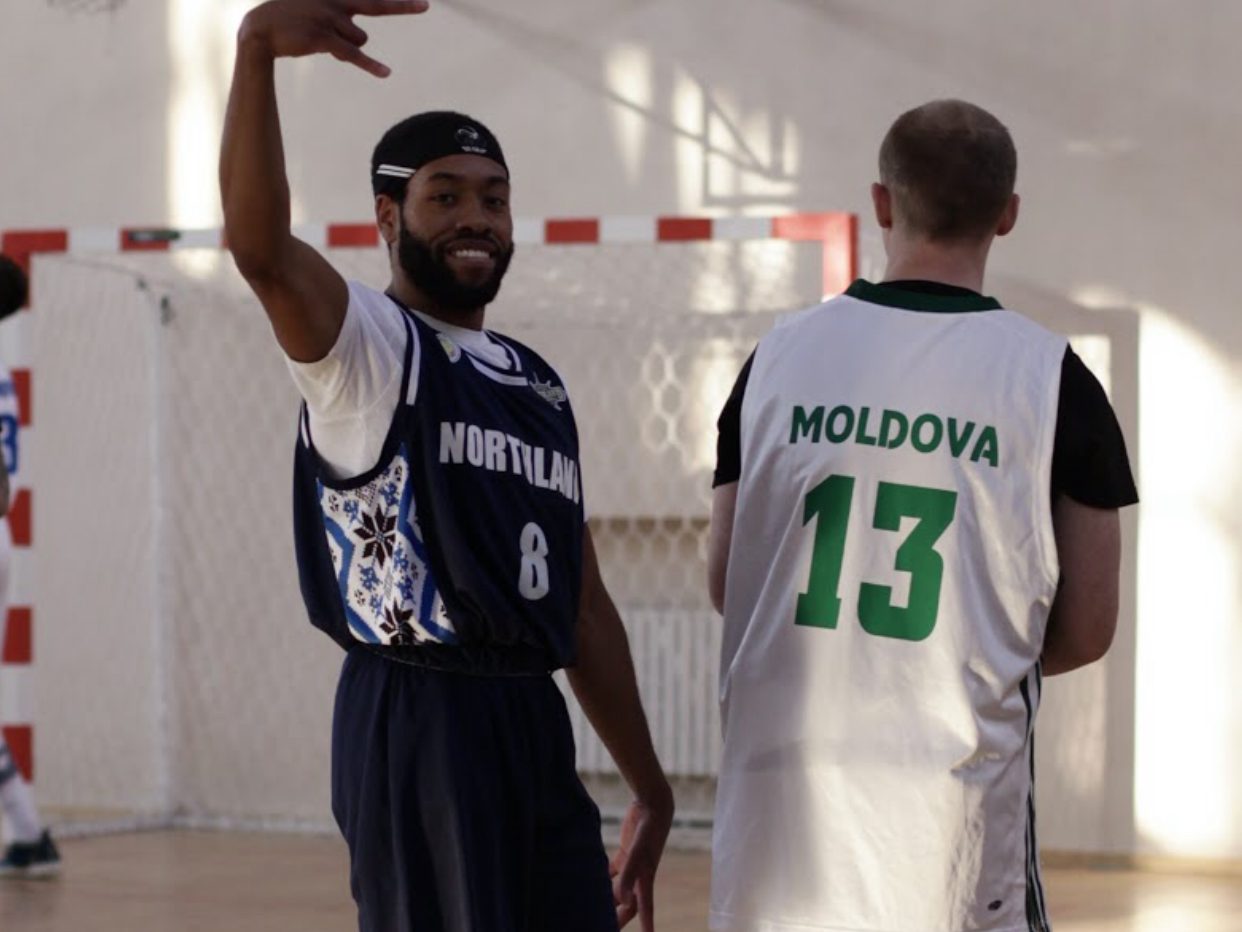
Eugene Campbell can be characterised as a player whose statistics consistently bring value to the teams he has joined since starting his career. His journey began in Moldova’s top basketball league with BC Northland Moldova. Campbell aspired to fulfil his dream of becoming a professional athlete and aimed to demonstrate his worth and significance to the club. He was determined to seize the opportunity for growth.
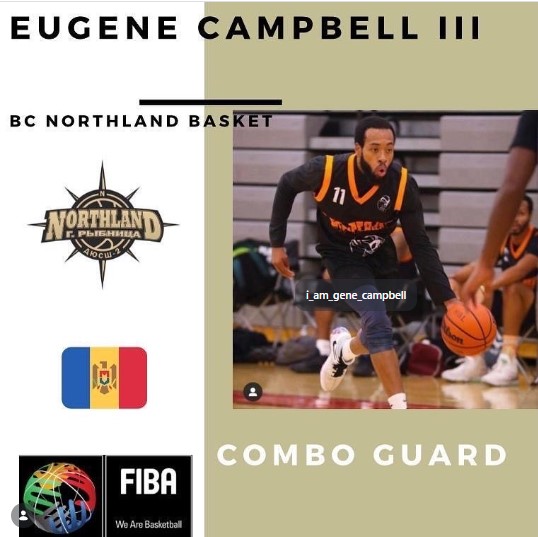
Campbell expressed, “Initially, I was eager for any opportunity that would allow me to prove myself. I understood the challenges of my starting point and what I needed to do to succeed, but making excuses about not being given a chance was not an option for me.” He took the initiative to create his own opportunities.
In 2021, the player signed with the Gyumri Falcons, a team in Armenia that competes in the A League. This decision was influenced by recommendations from his previous club and by his strong character off the court in Moldova.
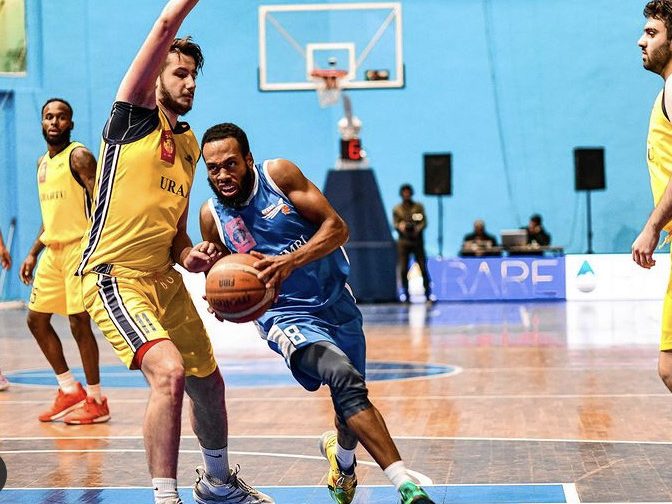
Players in their early 20s need to develop both their skills and character before signing with foreign clubs. There are many factors to consider, including cultural differences, respectful attitudes towards the host country, language barriers, and a reminder of why they were given the opportunity in the first place.
What many people, especially in the United States, may not realise are the contracts that players sign and the conditions that govern each league. These contracts can change due to performance from week to week, as well as the team’s success. Additionally, these dynamics can be influenced by the relationship between the player and the club, which is often reflected in the support from fans.
Players are often sent home if their team fails to win, especially when financial incentives are linked to success in domestic cups. This situation is different from American teams, such as those in the NBA, where franchises can financially benefit when star players from opposing teams perform well in their arenas or smaller gyms. This kind of realistic adversity can discourage young basketball players from continuing, particularly if there is no strong support system at home.

“My family and friends have always supported me. My mother encouraged me to work hard and give my best effort. If things didn’t work out with one team, I would continue to refine my skills and look for another opportunity.”
The 2021-2022 season began with Montijo Basket, a team in the second division of the Portuguese league. “Like my previous teams, I enjoyed my time there, but financial considerations became significant, as I was now recognised as a veteran professional player,” says Campbell. There was also something special about Portugal; the country is rich in tradition, and the standard of the game was stronger than in the two previous locations.
End of Part 1 of 4.
References:
Photo number two used by kind permission of New Jersey City University. All Rights Reserved Eugene Campbell, 2026
December 21 is World Basketball Day and a day to mark the positive power and impact of the sport around the globe. (2024, December 21). https://www.fiba.basketball/en/news/fiba-celebrates-more-than-610-million-players-globally-on-second-edition-of-wbd





Leave a Reply