

By: Jerome Fitts
To conclude the three-part series “Confronting Our Past: Lessons from Colonisation,” refer to Part 1 of the article taken from The Worthwhile Journal, Volume 12, titled “Forgotten Scriptures.” Please read closely.
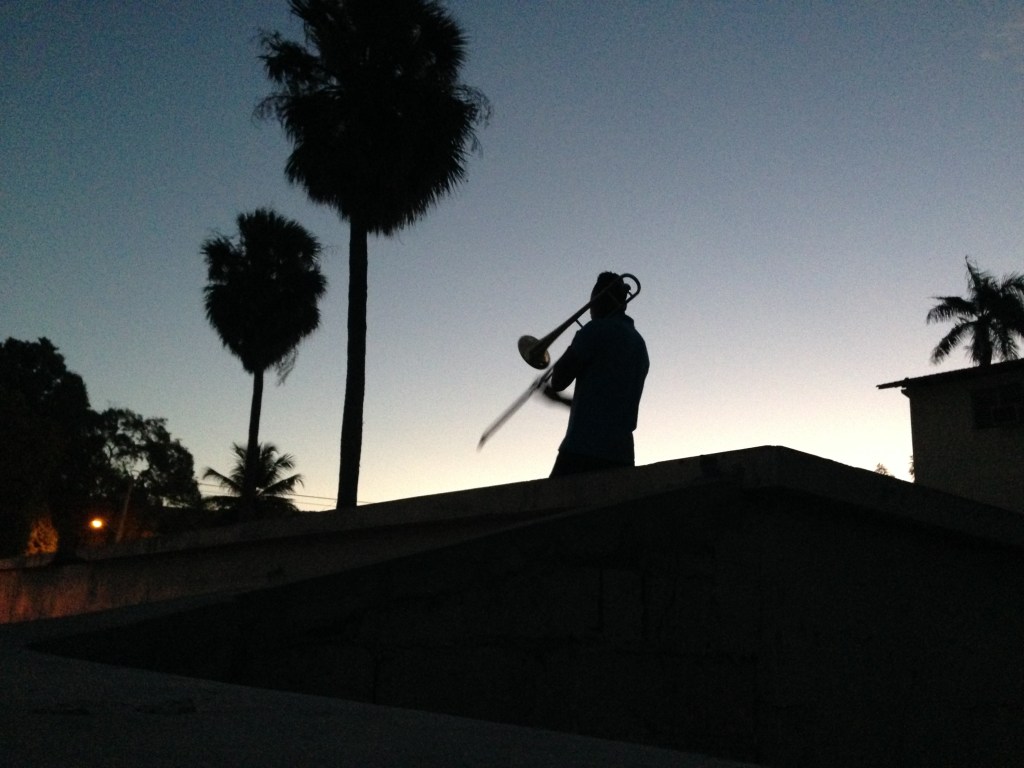
Individuals of colour or native origin who have experienced the effects of the colonisation of their ancestors’ lands may mistakenly believe they are treated differently. Recent conflicts seem to contradict that belief. This issue of colourism creates the conditions that William Lynch and his associates suggested were necessary to maintain a formula of division over time.
As of 2026, the confusion, doubt, and fear surrounding these issues are clearly evident in both North and South America.
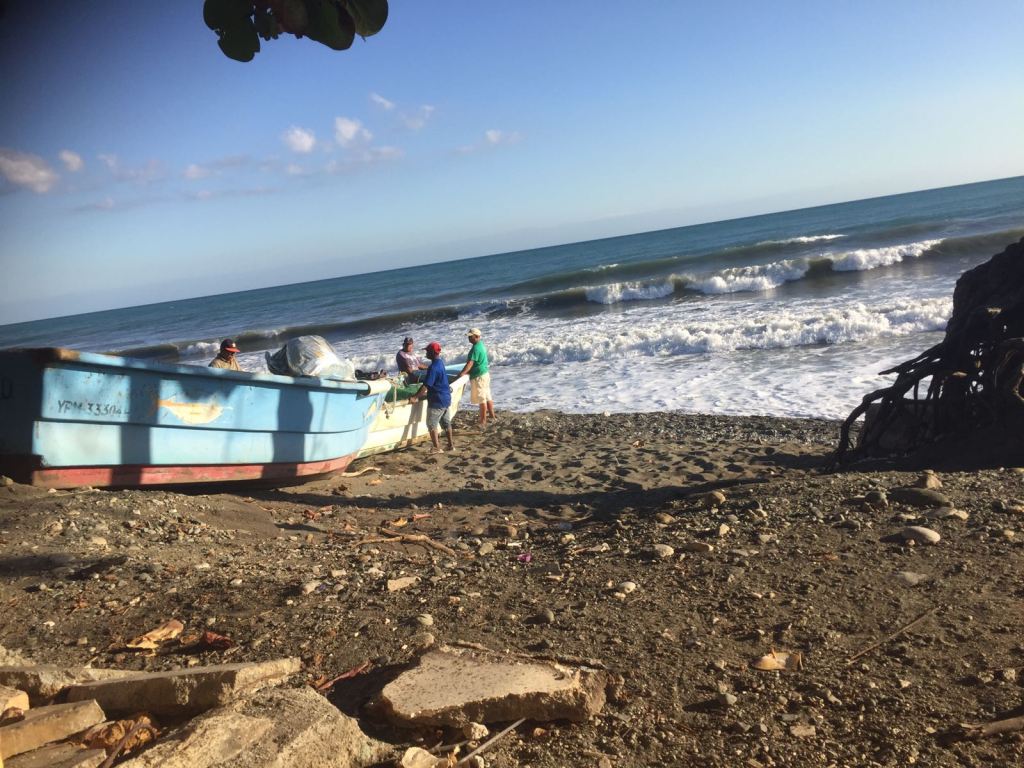
In the Middle East, a region that has experienced obscurity since ancient times, there is a division that exists despite a shared faith in Islam. Egyptians, considered Egyptians for centuries, have a racial identity shaped by a history of colonialism, influenced first by the Romans, then the Greeks, followed by the Arabs, particularly in relation to Saudi Arabia.
Ironically, in 2026, some Egyptians are described as having racist attitudes towards individuals with darker skin tones. In contrast, people from this region in Europe are often collectively categorized as Middle Eastern Muslims, which contributes to the real phenomenon of Islamophobia. They are typically not considered white. Geographically, Egypt, Libya, Tunisia, and Algeria are part of the African continent, and the world recognises them as African countries.
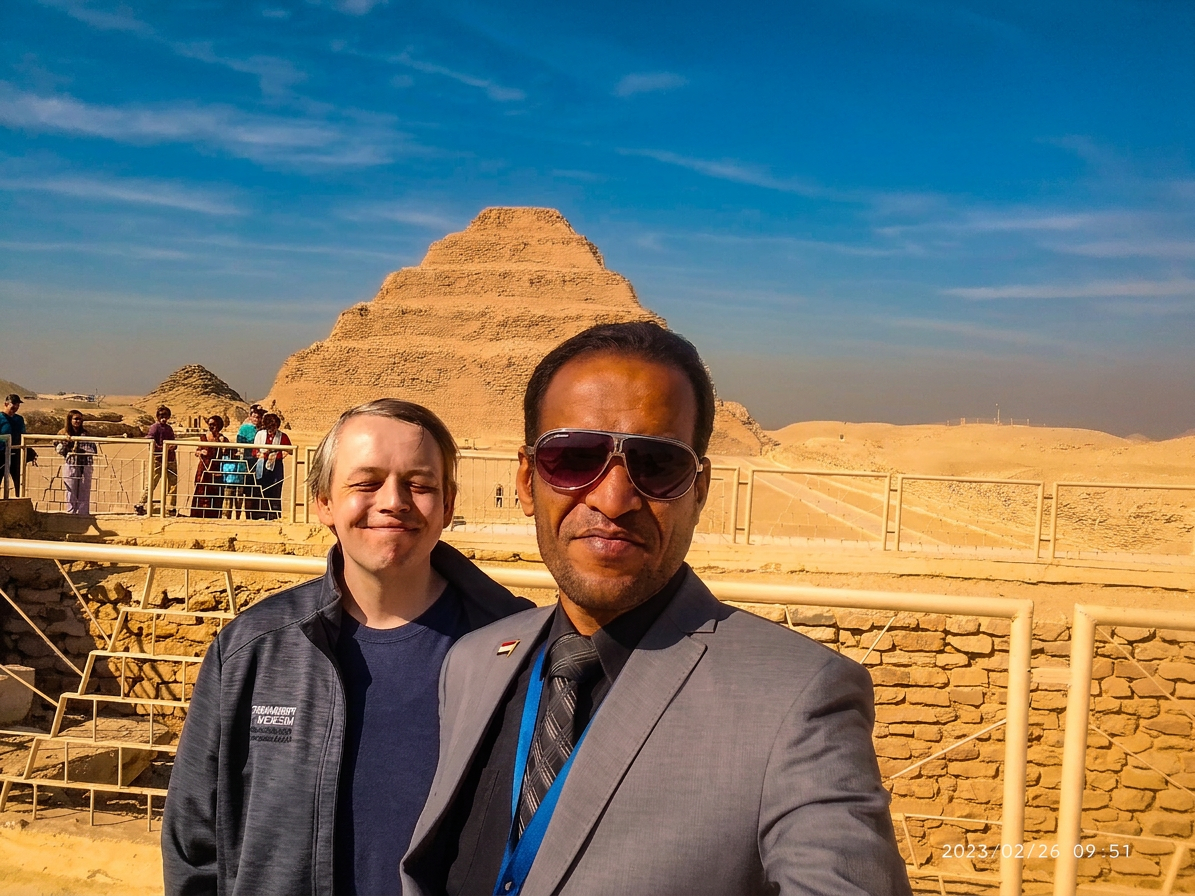
However, many people in these countries may not identify themselves this way. This disconnect often stems from a fear of being considered “dark or black”, even though French colonizers oppressed them in the same way as Sub-Saharan Africans from the west. Globally, they are identified as people of colour and frequently face demeaning stereotypes. This reflects a fear of confronting the reality of their identity.
It is reassuring to see that some countries in Africa, the continent’s largest, are working to address the issues stemming from colonialism. Burkina Faso, in particular, is making a conscious effort to acknowledge the impact of colonialism while peacefully addressing its effects and promoting coexistence.
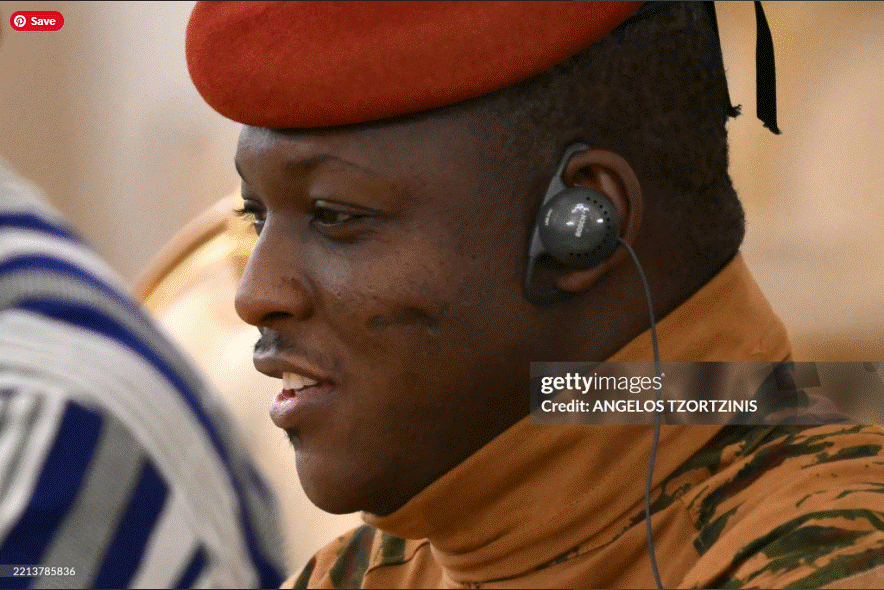
The Son of the Soil – Ibrahm Torree, the current leader, has stated:”No more weave and Brazilian hair in Burkino Faso. This is not an attack on women. This is an attack on mental colonisation. Africans were not born inferior. Our hair wasn’t a mistake. Our identity was not a problem until colonialism made money off our insecurity!”
Photos by: Jerome Fitts All Rights Reserved.2026 Otherwise stated, Getty Images. 2026
TO FOLLOW AND SHARE CLICK BELOW



 Worth Journey
Leave a comment