
By: Jerome Fitts
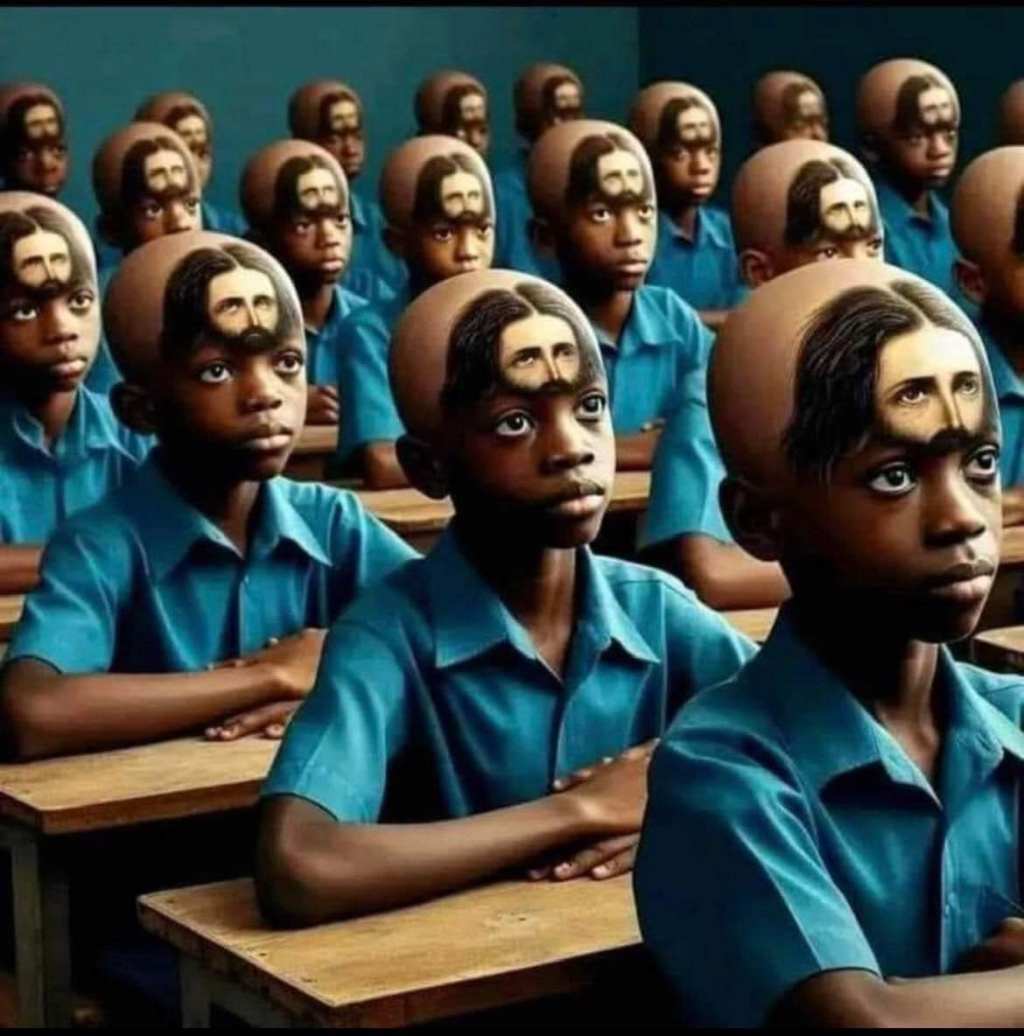
In reference to Confronting Our Past: Lessons from Colonisation Part 1, this section details how those who realised they were being treated as commodities and taken from their land began to rebel. However, their ongoing struggle is complicated by the fact that their leaders are often slaughtered or ridiculed for trying to uplift their tribe, village, and people of colour. They face more challenges from within their ranks than from their oppressors.
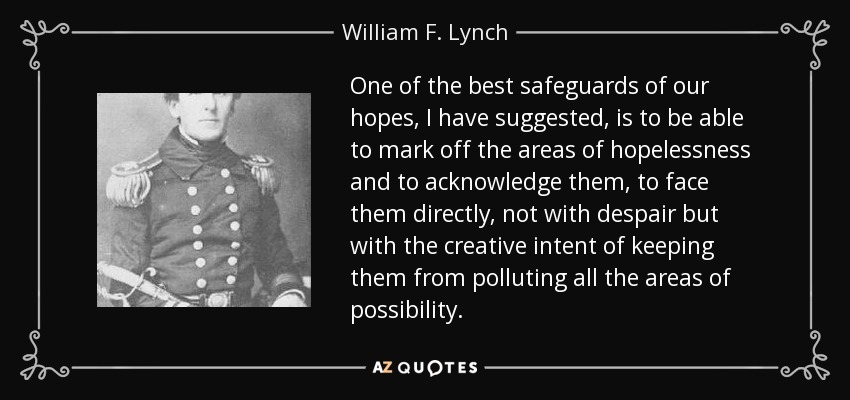
The purpose of this article is to explore the consequences of the practices and formulas used by the last frontier colonists, including the Spanish, Portuguese, Italians, English, and French, and how they continue to impact the present day. The implications of colonialism are based on three factors identified by William Lynch, which he stated would be effective for “three hundred years or quite possibly forever”: the maintenance of confusion, doubt, and above all, fear.

It should be noted that William Lynch, in his letter to various slave owners in the New World (America), repeated an unfortunate formula created centuries before him. In antiquity, earlier forms of colonisation were practised by the Phoenicians, Greeks, and Romans, particularly in Egypt and regions considered part of the Middle East and Northern Africa.
To control these individuals, both men and women—especially in terms of reproduction for future slave stock—a man named William Lynch formulated a solution. He wrote “The Makings of a Slave” in 1712, which was delivered to his shareholders and customers who purchased slaves, as well as those who had enslaved people of African descent on their plantations since the previous century.
Those three aspects have been effectively maintained to ensure superiority while fostering an enduring dependency on the colonists. Numerous historical examples from various regions of the colonial world support this observation.
In America, among people of colour, doubt and fear are evident through instances of black-on-black violence. The unity within the African American community has gradually diminished since the civil rights movement of the 1960s. In fact, some argue that these rights have been misused and that the state of society in America is on a regressive path, with little hope for improvement.
The African American community, much like the Caribbean and Latin communities, experiences division based on skin tone. Some individuals with lighter skin may perceive themselves as white and believe they are treated differently as a result. The embarrassing aspect is, the coloured race acknowledge this particular aspect of the virus yet mention it as a choice of succoming to delusion of superiority.

The lighter the recognized person of colour is, the more validation that their ancestors were raped and tortured in the past. Yet, they are proud of their lighter skin as if it gives them an advantage in society (world-wide), but are more considered the mule as oppose to the thoroughbred.
Mr Trump and his current administration in 2026 could potentially benefit from such divisions, maintaining a distinction between those considered white and those who are not. Undoubtedly, it is to the advantage to the white South Africans today.
Photo 2 *Free use by Pixibay. 2026
TO FOLLOW AND SHARE CLICK BELOW





Leave a comment