

By: Jerome Fitts
In the first quarter of 2026, a significant concern has emerged within healthcare systems worldwide: the accountability of health administrators has become a pressing issue. Despite extensive discussions and protests, true accountability remains elusive. The desire for a second opinion following a diagnosis is increasingly perceived as a threat to physician unity.
For many patients, a second opinion often comes from the physician who provided the initial diagnosis. However, questions arise: where does the process begin, and where does it end? Who regulates the examiners? Are clinics or hospitals assessed based on their location, comforting environment, effective communication, and, unfortunately, the cost of treatment?

For instance, when a patient requests a second opinion, this often comes as a suggestion from their current physician. Does this indicate that the physician is uncertain about the diagnosis, or is it a way to evade responsibility for errors? If the latter is true, there is considerable room for improvement in the way accountability is handled within the healthcare system. Stricter regulations should govern the issuance of certifications and expedited qualifications.
It is undeniable that the substantial sums generated from certain practices should be consistently evaluated. There is ample funding available to conduct these annual assessments. Unfortunately, in 2026, older physicians are more likely to face criticism rather than appreciation for their experience in the medical and psychological fields.

Medical practices are regulated by the state in which they operate, as mandated by the United States Constitution. This state-based regulation has raised significant concerns within the government.
In some states, where citizens generally maintain better health and demonstrate a more health-conscious attitude, there are dedicated physician associates (PAs). These states are working to transfer some diagnostic and treatment responsibilities from physicians to patients.

However, in other states, subtle committees operating under the state medical board often fail to effectively address these issues. Consequently, patients face barriers related to insurance costs, which can deter them from seeking second opinions or better treatments in other states.
QUANTITATIVE METHODS
As a result, they may rely on local clinics, potentially leading to negative health outcomes. The National Commission on Certification of Physician Assistants (NCCPA) has recently come under fire for granting certifications to individuals who only meet minimum qualifications. This criticism raises concerns about the adequacy of clinical knowledge and skills, especially given the increasing reports of violence and complaints regarding the medical system in America.
To address these concerns and reassure the public, the American Academy of Physician Associates (AAPA) promotes clear professional practices and provides resources related to medical practice and state laws.
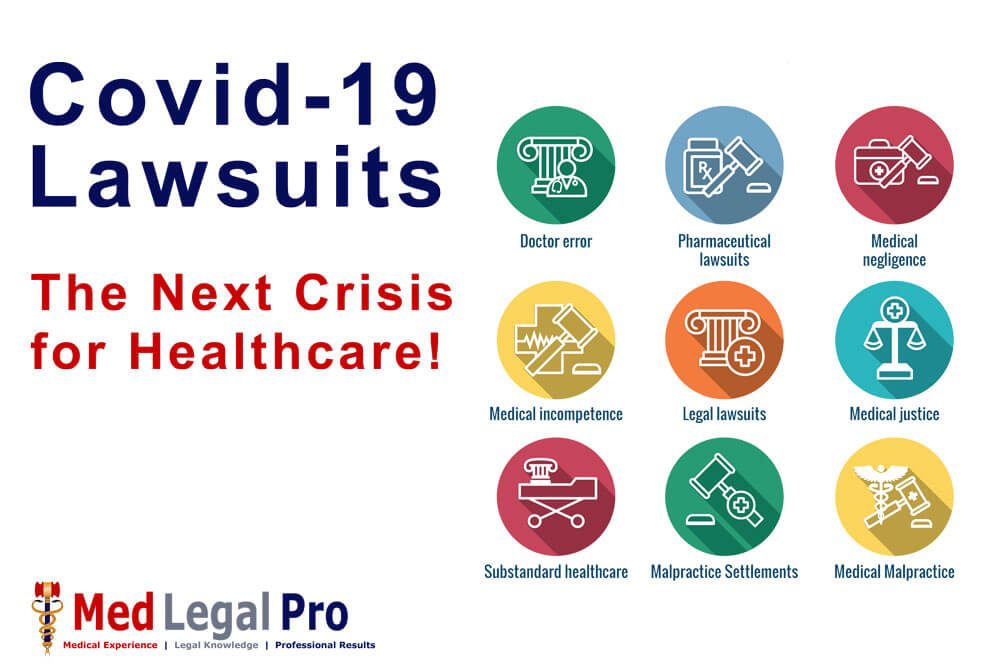
Each year, approximately 17,000 lawsuits are filed against healthcare providers, with about 97% of these cases settling out of court. Certain specialities, such as neurosurgery and obstetrics/gynaecology (OB/GYN), face a higher risk of litigation. To prove a case, it is necessary to demonstrate duty, breach, causation, and damages.
The payouts in these cases can vary widely, often involving substantial sums for pain and economic losses, highlighting significant issues with legal accountability and patient safety.
In comparison, the General Medical Council (GMC) in the United Kingdom is the new statutory regulator for both Physician Associates (PAs) and Anaesthesia Associates (AAs). Beginning in December 2026, it will be illegal to practice as a PA in the UK without being registered with the GMC.
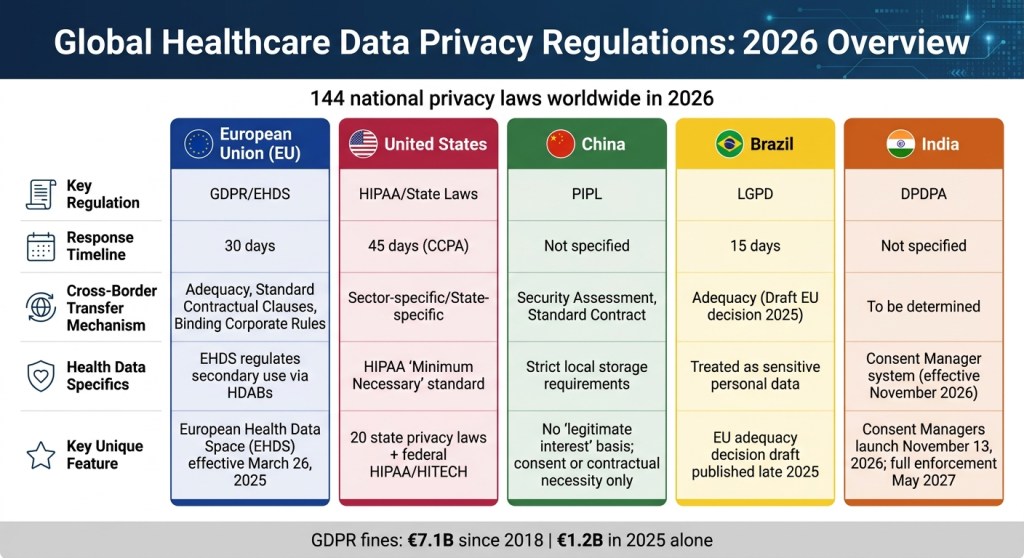
This expansion of regulation is expected to reduce malpractice lawsuits, as the GMC will now set standards, maintain registers, ensure the quality of education, and manage complaints for doctors, PAs, and AAs. The goal is to enhance consistency and public confidence in these essential healthcare roles.
In many other parts of the world, where medical malpractice lawsuits are rare and not widely accepted, PAs hold delegated and qualified titles. For example, the role of Clinical Officer has been implemented, ensuring formal accreditation through local ministries of health and professional associations. These systems, based on trust and educational qualifications, demonstrate a greater degree of integrity.
Are these organisations productive in areas where medical care is necessary but limited to the public?
The International Academy of Physician Associate Educators (IAPAE) and the Global Association of Clinical Officers and Physician Associates (GACOPA) are international organisations that promote global recognition and regulation of these professions. The collective efforts of both organisations are essential, given the necessity of medical care, which should neither be overused nor u
The IAPAE was established in 2007 as an invitation-only meeting focused on sharing best practices in education.
Photo 1-3 Courtesy of SOL Holustic Treatment Center, Maylasia. *Free Use 2024
Chart 1 taken from https://medlegalpro.com/covid-19-lawsuits-crushing-impact-on-nursing-homes-long-term-care-facilities/ .2026
Chart 2 taken from https://censinet.com/perspectives/2026-guide-international-healthcare-data-privacy . 2026
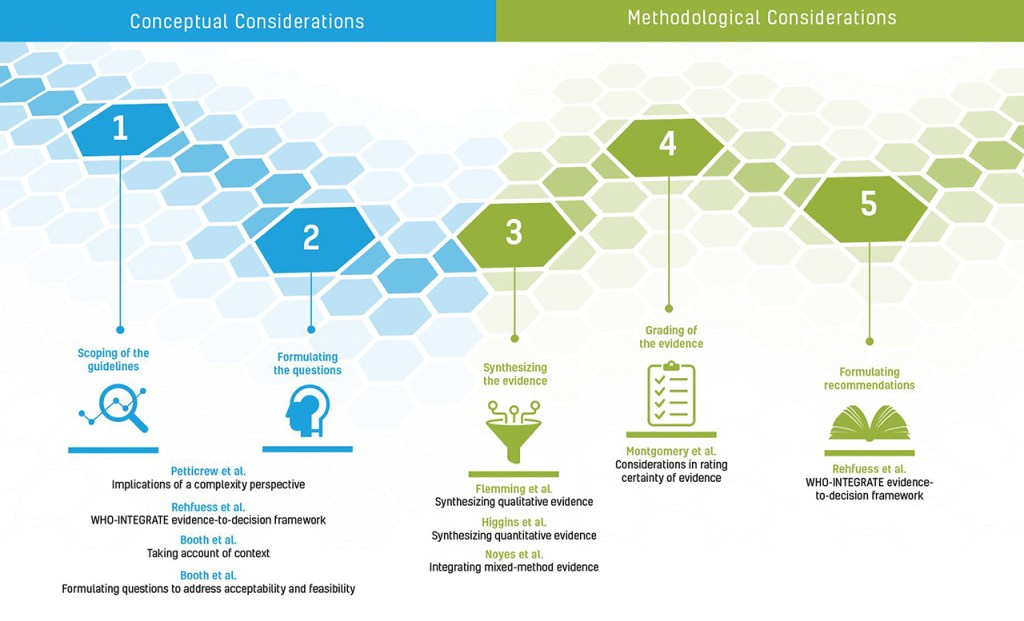
Chart 3 taken from https://www.who.int/news/item/28-01-2019-enhancing-who-s-standard-guideline-development-methods . 2026
TO FOLLOW AND SHARE CLICK BELOW:





Leave a Reply