
By: Jerome Fitts
The idea of having a child interested in entertainment or sports used to bring happiness to every parent. Such activities were considered safe, healthy, entertaining, and generally contributed to the joy of family and community bonding.
However, the transformation of enjoyable hours into a testosterone-driven, ego-fueled financial pursuit has diminished the joy of watching both amateurs thrive and professionals excel. This shift raises important questions about loyalty, community, and ethical awareness. The following text contains a collection of public opinions, while the section below presents the factual background.
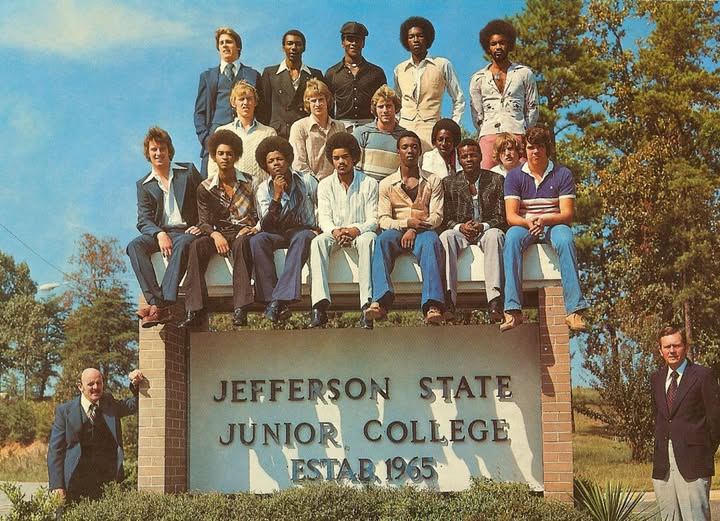
The National Collegiate Athletic Association (NCAA) was officially founded on March 31, 1906. Originally named the Intercollegiate Athletic Association of the United States (IAAUS), it aimed to reform dangerous practices in college football and adopted its current name in 1910. The organisation was created to regulate rules and protect young athletes.
In the one hundred twenty years since its founding, much remains to be desired from the NCAA in its role as the governing body of college athletics in America. Reforms may be necessary to meet contemporary societal needs in the United States for various reasons.
Similar issues can be observed in youth sports academies worldwide, particularly in soccer (football) academies in Europe. These academies, established in the early to mid-20th century, focus on training, preparing, and protecting young talent before they enter into professional realms, while still prioritising education—often at a higher standard than that found in America.

These academies aim to nurture exceptional athletes handpicked from their communities, a stark contrast to American youth leagues that were more accessible to everyone and emphasised fun, exercise, and community pride. Education was the top priority until the early 1990s.
Today, however, both Europe and America witness fierce competition to recruit young sports talent starting at age10. Unfortunately, these recruitment efforts often impose significant financial burdens on parents and their young children. For example, major sports academies in Europe may offer education, accommodation, and financial support to both the parents and athletes, who may be unaware of the monetary value unless it is explicitly mentioned by their parents.
In America, similar academies often extend students’ school years, allowing them to negotiate for different schools based on financial incentives for their parents, as well as their own choice of universities, influenced by factors such as Name, Image, and Likeness (NIL) agreements.
Details of Youth Sport Attrition
By the age of 13, studies indicate that, on average, 70% of youth disengage from organised competitive sports. The primary reason for this dropout rate is that young athletes often no longer find sports enjoyable. Factors contributing to this include the high costs of training, the specialisation required in certain sports, and the pressure to compete. As a result, many young athletes switch to other opportunities in sports.
However, recent changes to rules regarding participation, such as new NCAA guidelines that allow for extended eligibility, have shifted this trend. As a result, the age at which youth disengage from sports has been extended.
Has the shift in amateur status diminished the joy that parents once experienced while spending time with their children during their youth and high school years?
Nowadays, many parents find themselves negotiating their children’s futures just a few years after puberty. The silence in stadiums indicates that these concerns remain unaddressed. Few people are willing to discuss what happens to athletes after their amateur years, especially since some sports and NCAA eligibility requirements are designed to accommodate a generation of youth struggling with rejection.
In 2026, clubs involved in modern sports have become like marketplaces for harvesting young talent, prioritising notoriety over the development of well-rounded individuals. Although many sports academies today emphasise holistic development, there remains a lack of regulation regarding the lengths to which parents will go to bolster their egos and enhance their financial standing.

The comparative measures are quite compelling. There is very little to no loyalty to community ties, traditions, or the competence needed for youth transitioning into adult life. The instant gratification sought by millennial children and their resistance to adversity, while parents look the other way, is evident. Financial incentives dominate, with many choosing to exchange moral values for the allure of instant upscale living.
Legendary youth development coaches across all sports have taken a back seat, as their opinions and advice—based on years of experience—are often dismissed as insignificant. Few people care or listen unless there is a paycheck involved.

Once upon a time, coaches played a significant role in the lives of young athletes, and their thoughts truly mattered. The once-forbidden rule of breaking traditions has now intertwined with myths, much like the legendary Loch Ness monster. The trending quote is, “It’s business, and I have to look after my future.” Yet, there is only a 1% chance that athletes will enjoy an extended career in what was once known as professional sports.
Another contributing factor is that the sports recognised on a global scale historically did not share their revenue. As television and new-age media have become the primary sources of entertainment, the potential revenue has yet to be fully realised. The sky’s the limit, and this vast exposure benefits all sports, including emerging ones like Pickleball.
The world revolves around money and sports, which were once meant to be a way for communities to come together to compete and enjoy each other’s company. However, it has now transformed into a business of trade.
As fellow sports enthusiasts who view sports as a premier source of entertainment worldwide, we must adapt and prepare for the challenges ahead. Today’s sports fans often express excitement about the status of certain athletes, with their favorability often linked to their salaries. Headlines frequently highlight ten-figure contracts for athletes in soccer, basketball, and especially American football.
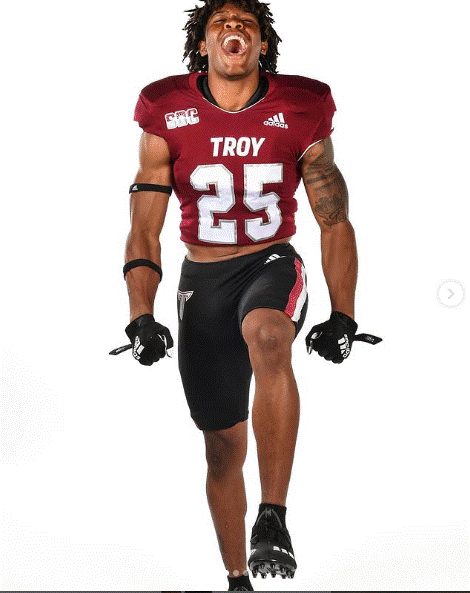
Photo Troy University Football player used by kind permission.
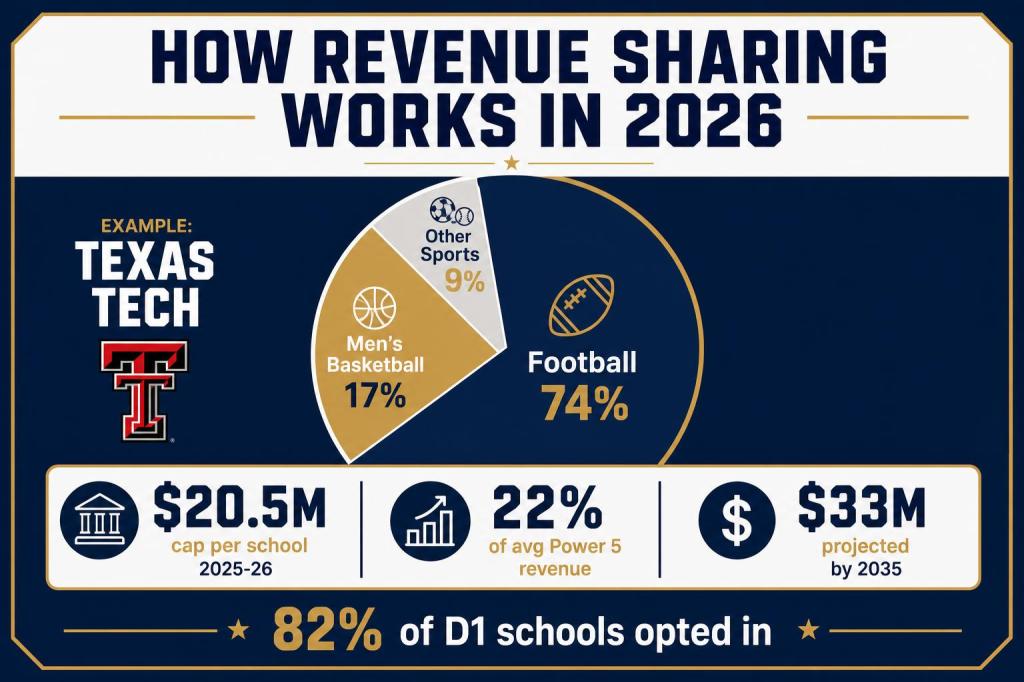
NIL chart PROVIDED BY https://nilcertifications.cleankonnect.com/blog/ used by kind permission.2026
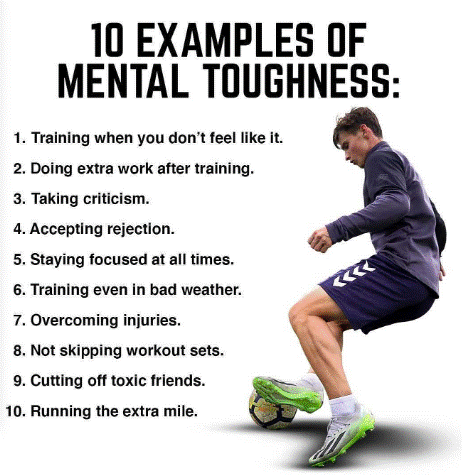
Mental Toughness Chart used by kind permission. Getty Images 2026
Photo (3 & 4) By: Jerome Fitts. All Rights Reserved 2026
How Revenue Shared provided by NIL Club free use. 2026
TO FOLLOW AND SHARE:





Leave a Reply