

By: Jerome Fitts
Editors Note: This is not a blog but rather an article based on experience supported by relevant facts.
There’s nothing worse than going to the other side of the world and feeling desperate to stay, even when you know you’re not welcome. This may be up for debate, but one thing is certain: as long as you have dollars or euros, you are accepted. The following is pertaining to the expat circuit in Southeast Asia- Maylasia, Vietnam & Thailand.
In Asia, a continent that excels in trade and innovative thinking, the challenge of making money can be substantial. While trade goods are readily available in the West, earning money in these regions can be very difficult.
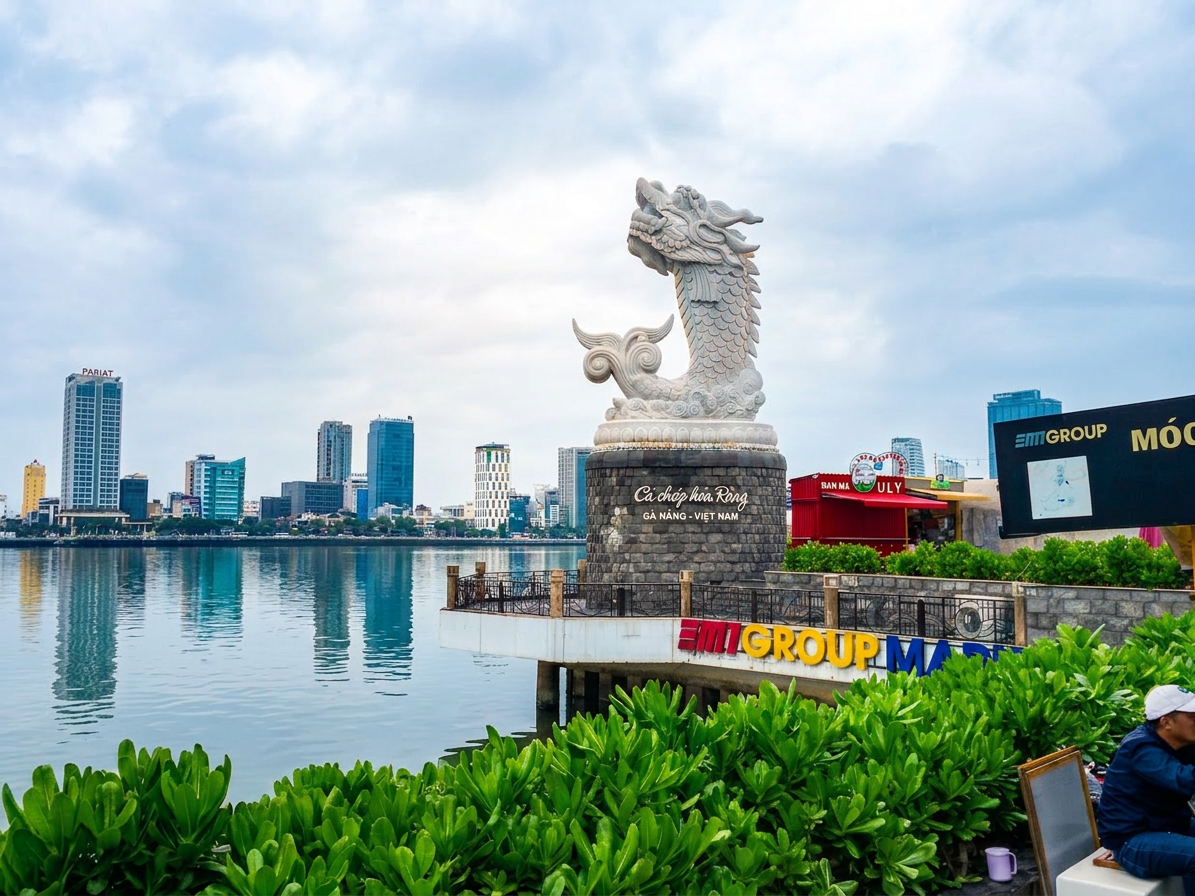
The countries with the largest trade in Asia make it extremely difficult to capitalise on those opportunities. A person must import their cash to spend there, and the only real advantage is being able to purchase goods that are available in the West. There you have it—once again, it comes down to spending money. This situation leaves desperate individuals in various parts of Asia, particularly Southeast Asia, who tolerate their circumstances while also expressing their complaints.
They will do anything they can to remain in the region, not aspiring to a better future, but instead trying to forget a hidden past. Often, their past haunts them, and the reasons for their departure from their home countries resurface due to deep-seated tendencies linked to their heritage.
The world is aware of the pedophiles and sex-seeking men from various countries who travel to Thailand and Vietnam. Unfortunately, the only things they may take away with them are sexually transmitted diseases and, of course, jail sentences. This is unfortunate because both countries have much more to offer in terms of culture, learning, and personal development.
In 2026, strict laws prohibit long stays or multiple entries for those seeking debauchery. As a result, expatriates from various countries engage in what is known as “visa runs.” These trips can vary depending on nationality, such as travelling from Vietnam to Cambodia for Russians or Ukrainians, or from Thailand to Vietnam or Malaysia.
The travel and flights are relatively economical, costing around $35 one way. Travellers can choose between booking a cheap hotel or taking a bus trip, which may take up to 12 to 15 hours for a same-day return. After completing either journey, they can secure a new entry visa.
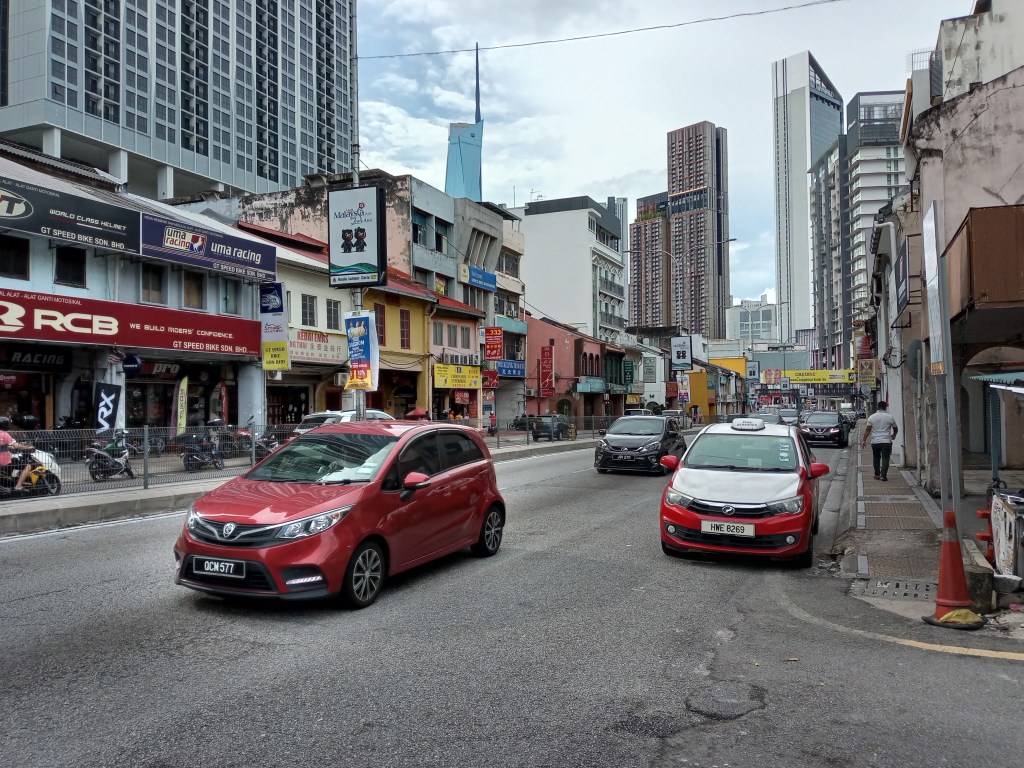
Some expatriates, who rely on retirement funds or government assistance from their home countries, manage to navigate these regulations by spending time in a neighbouring country to meet the necessary qualifications for re-entry.
The countries in question, particularly Vietnam, Malaysia, and Thailand, are aware of these dynamics and benefit from them. While the rules change from year to year, the flow of tourist traffic adapts accordingly. Unfortunately, crime rates are consistently rising in these countries, reinforcing the notion that they can serve as havens for individuals escaping from the law.

Since the beginning of 2026, these countries and their governments have implemented certain policy adjustments and mandated stricter laws regarding returning expatriates. They have grown increasingly weary of remote workers who enjoy a more affluent lifestyle due to higher salaries. Nonetheless, as previously mentioned, leaving these countries often requires nothing more than a laptop bag, a few clothes, and a trip to a neighbouring country with Wi-Fi.
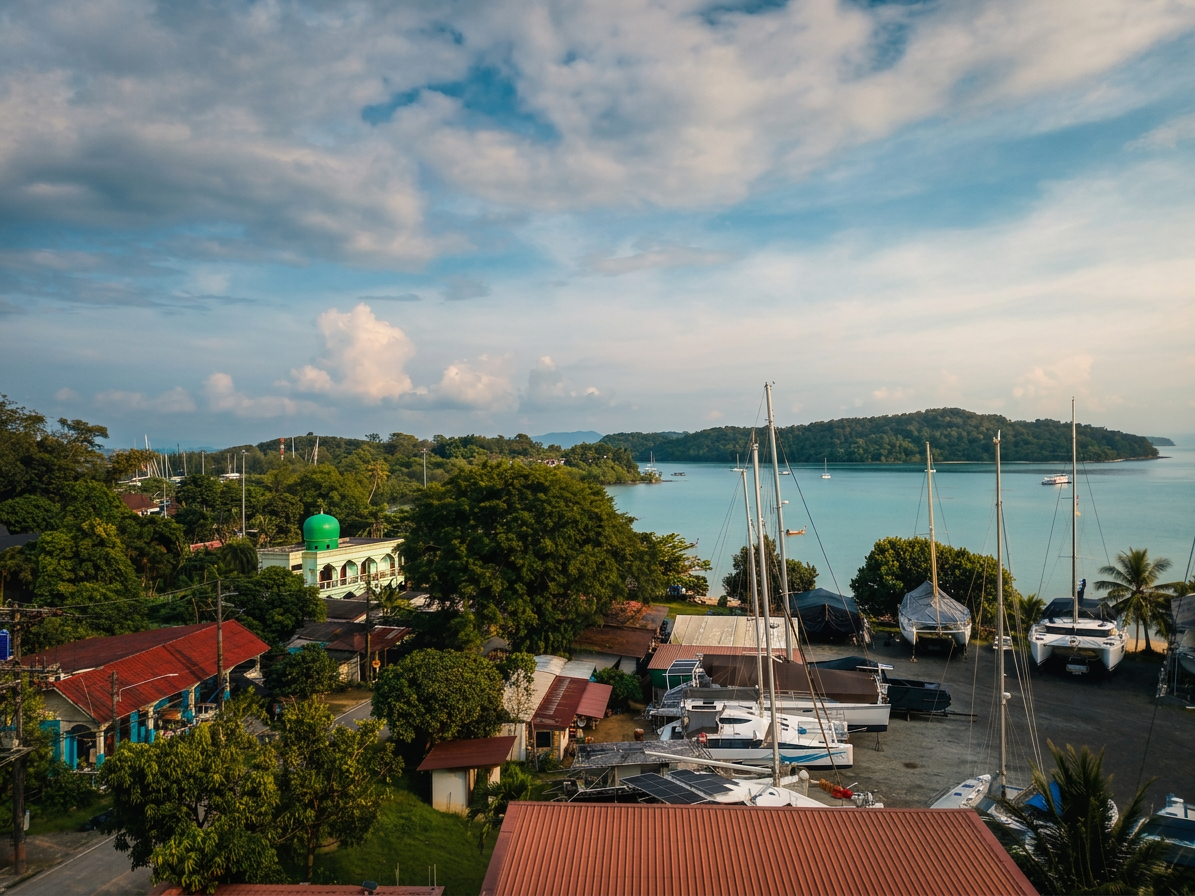
One might wonder, “Is it worth the risk, the hassle, the corruption, and the potential exposure to toxic diseases? Or is it simply a case of being desperate for an individual trying to escape from ___?”
TO FOLLOW AND SHARE CLICK BELOW:





Leave a Reply