
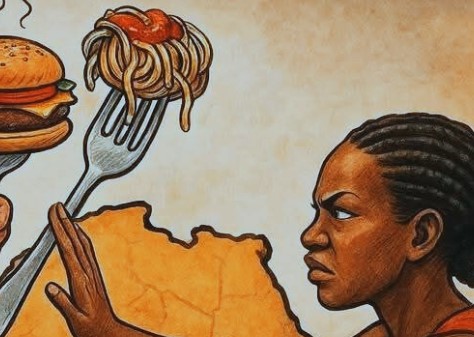
By: Jerome Fitts
“How long will a certain race continue to blame the past without attempting to restructure the future?”
The following is part one of a three-part series that was taken from a lengthy article recently published in Volume 12 of The Worth Journey. Due to the persistent division and racism within global society, this article explores the how and why of colonial legacies in certain regions. Unfortunately, these irreversible methods continue to have an impact today. The question is: will there ever be an antidote to restore the authenticity of the African race?
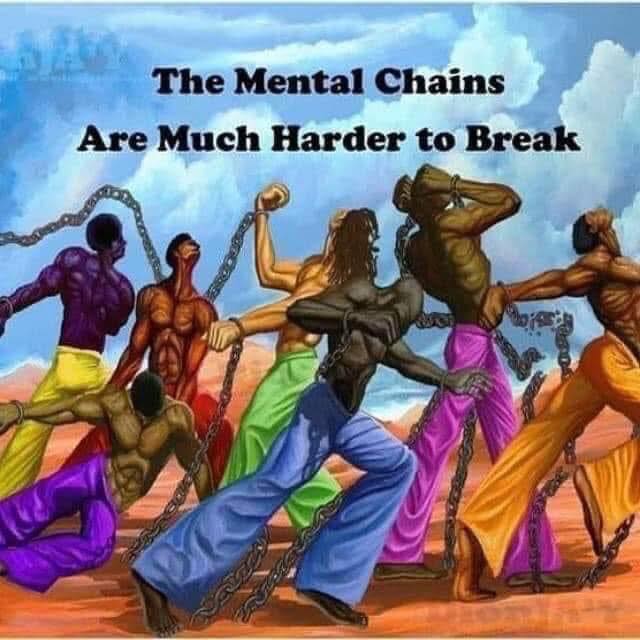
In today’s world, it would be irresponsible to ignore the concerns that lead society to say, “The world has gone nuts!” Few of us ask essential questions, such as: What are the underlying causes of our current situation? How did we reach this point? Why are we reluctant to confront the reality that the legacies left by our forefathers are more relevant than ever?
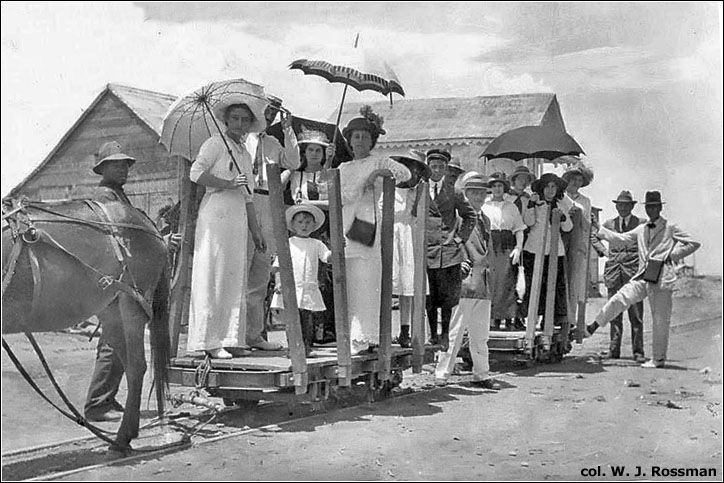
As living beings on the only planet we know, Earth, we are naturally driven by the instinct to expand and reproduce. Our biological makeup encourages reproduction as a fundamental part of the survival quest.
However, over time, humans—who have become the greatest threat to the planet—have pursued conquest under the guise of exploration and curiosity. In reality, this quest is often motivated by greed.
There are two key factors related to the effects of conquest that have contributed to the unethical patterns of colonisation. Conquest is defined as the act of taking control through the use of force.
At the same time, colonisation refers to the process of settling among and establishing control over the Indigenous people of a particular area.
From a WJ perspective, the lingering effects of both practices have created divisions among people within certain territories, particularly impacting those of African descent. Various topics can lead to a meaningful debate on these issues. At WJ, we focus on factual, evidence-based actions concerning individuals of Eurocentric and African descent to serve our loyal readers effectively.
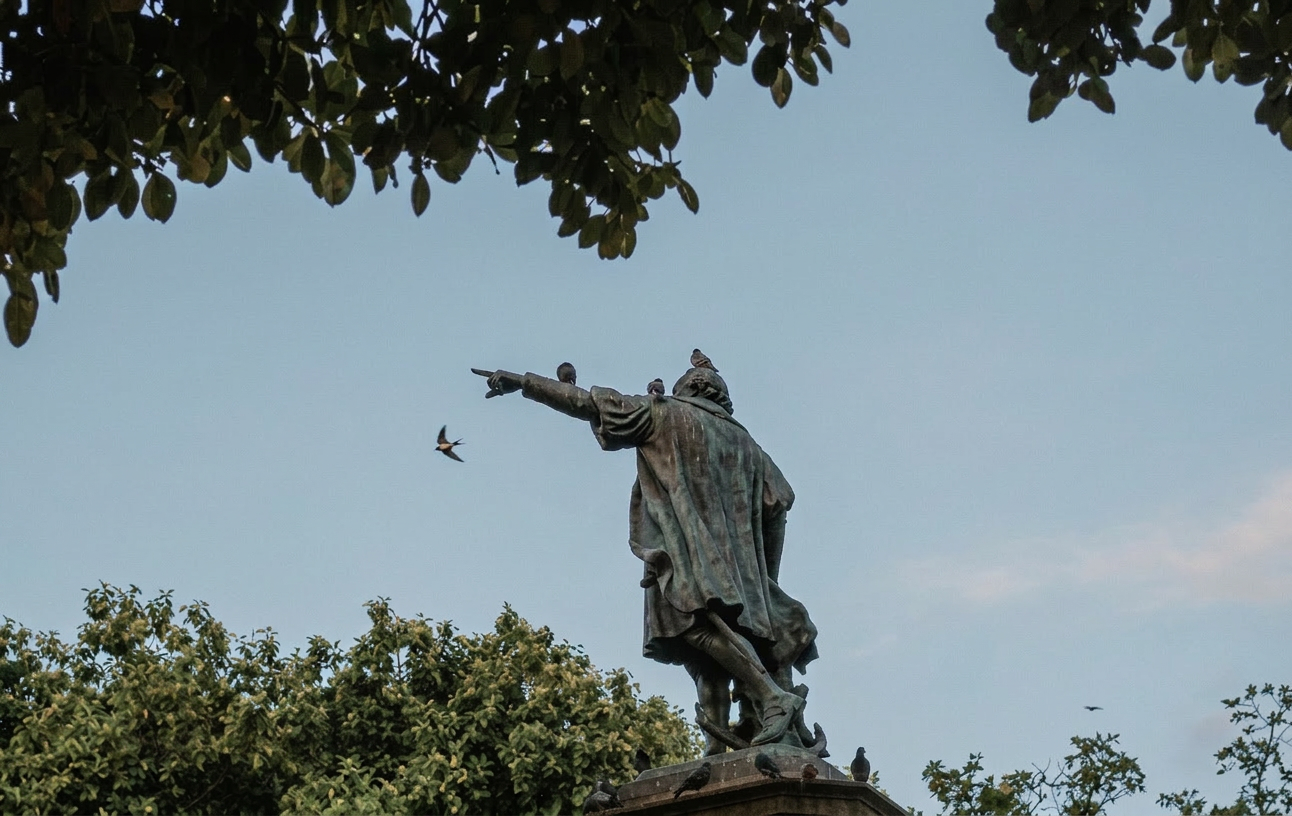
A little over a hundred years after the 15th century, history has been written of Christopher Columbus landing in the New World; there were significant problems with rebellion among the native populations.
To address these issues, particularly regarding the imported enslaved Africans, there were widespread concerns about mutiny and the realisation of self-empowerment among the enslaved individuals. The latter to be covered in part 2.
TO FOLLOW AND SHARE CLICK BELOW
Photos used by kind permission. Getty Images 2026





Leave a comment